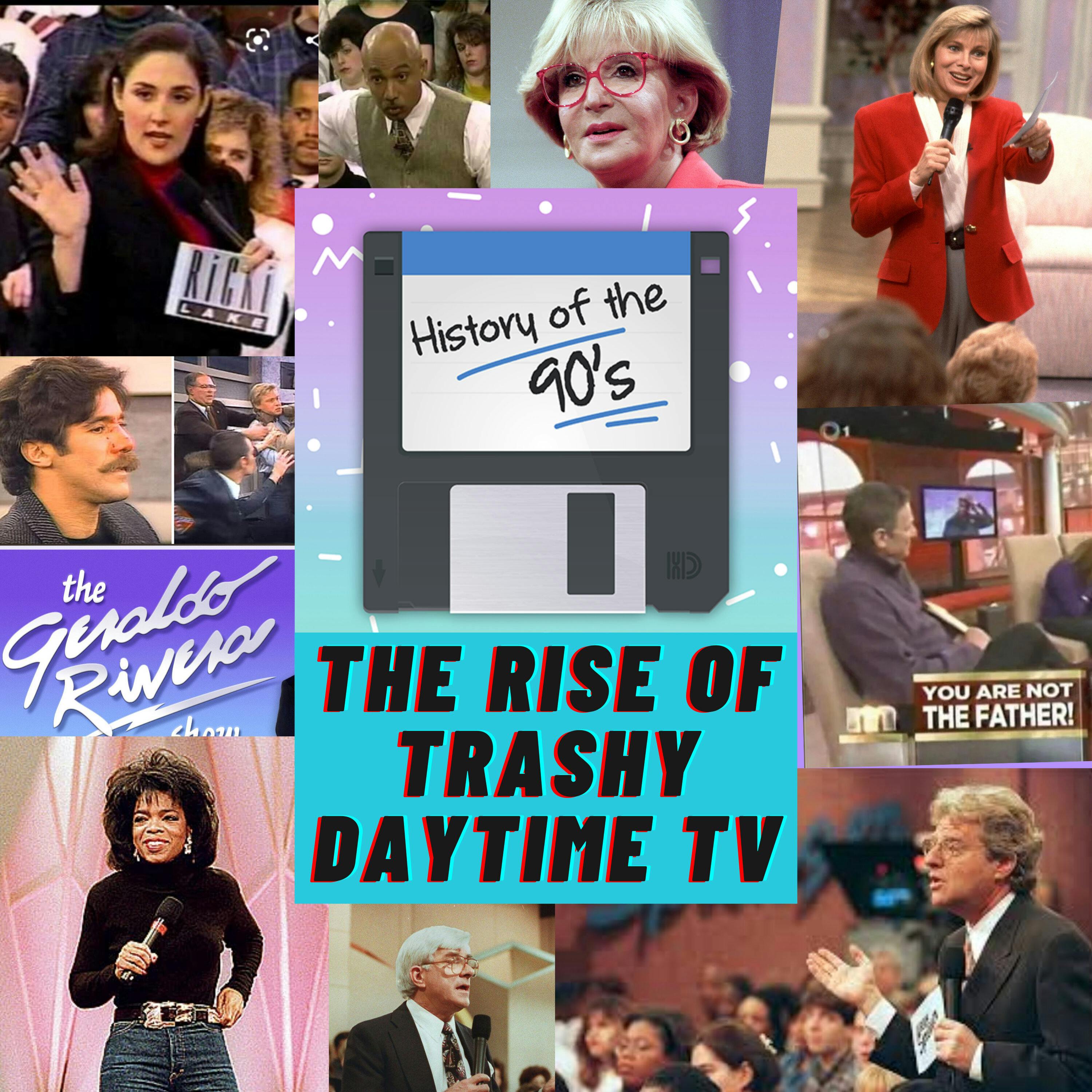
The 1990s daytime talk show landscape transformed from Phil Donahue’s issue-driven model into a sensationalist arena of "confrontainment," where producers actively orchestrated conflict to drive ratings. Shows like *The Jerry Springer Show* and *Maury* capitalized on human misery, turning personal disputes into televised spectacles that blurred the line between reality and performance. This era of exploitation reached a tragic nadir in 1995 when a guest on *The Jenny Jones Show* murdered another participant following a surprise same-sex crush reveal, exposing the industry’s lack of psychological screening and ethical oversight. While critics decried these programs as "trash TV," their immense popularity signaled a profound shift in media consumption, setting the stage for the modern reality television genre. Experts Laura Grindstaff and James Nadler highlight how these shows filled a void in a fractured society, providing a platform for ordinary people to seek validation through public confrontation.
Sign in to continue reading, translating and more.
Continue