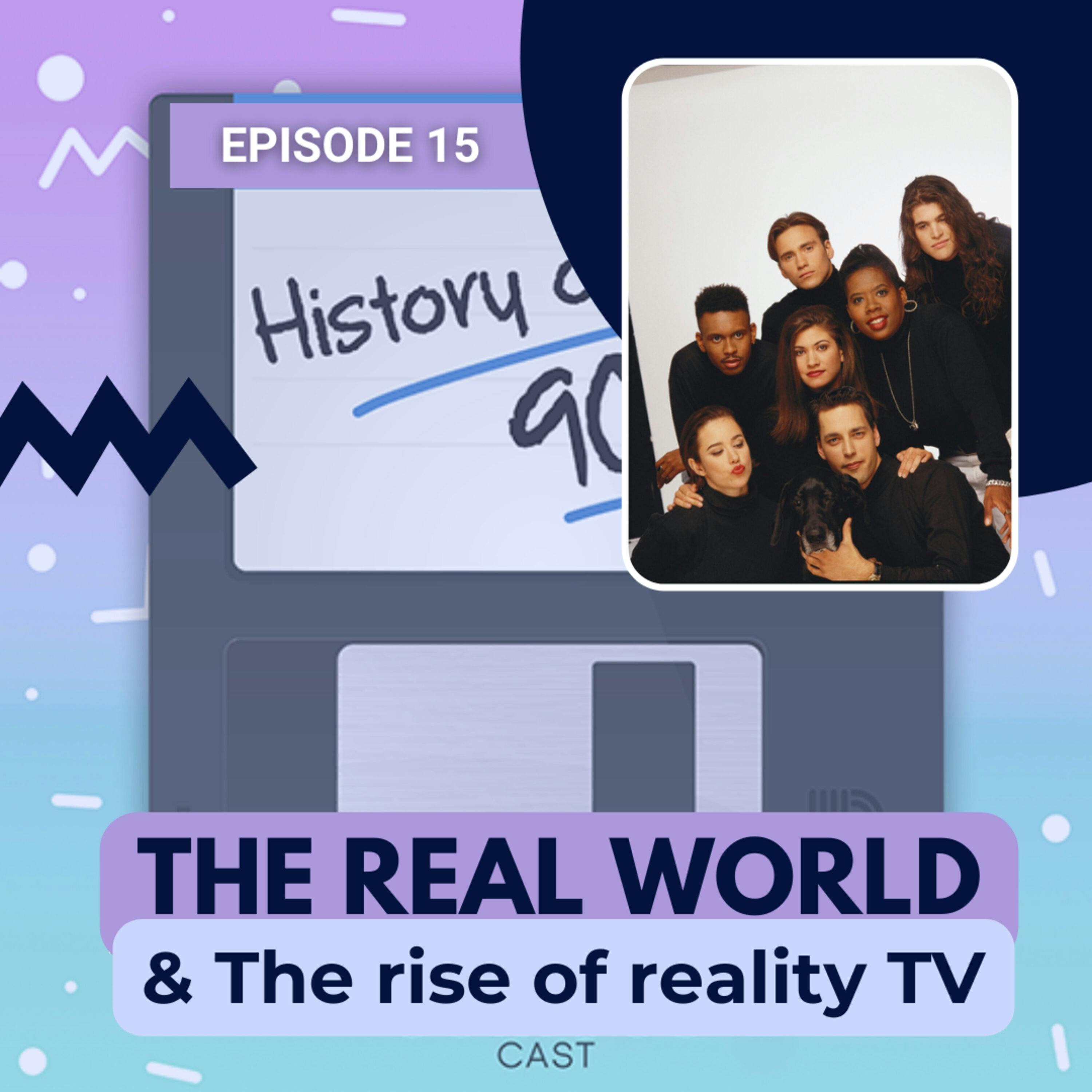
Reality television evolved from a niche social experiment into a dominant cultural force, fundamentally shifting how society engages with public and private life. The 1973 documentary *An American Family* pioneered the observational style, but MTV’s *The Real World* (1992) codified the format by placing diverse strangers in a shared living space to generate organic conflict and growth. Sociology professor Danielle Lindemann highlights that these shows function as "fun house mirrors," amplifying cultural stereotypes and social issues like race, sexuality, and HIV/AIDS—most notably through the groundbreaking inclusion of Pedro Zamora in 1994. While early iterations prioritized authentic human interaction, the genre eventually transitioned into a highly produced, archetype-driven ecosystem. Today, reality TV serves as a pervasive cultural touchstone, shaping political discourse and celebrity culture regardless of whether viewers consciously engage with the content.
Sign in to continue reading, translating and more.
Continue