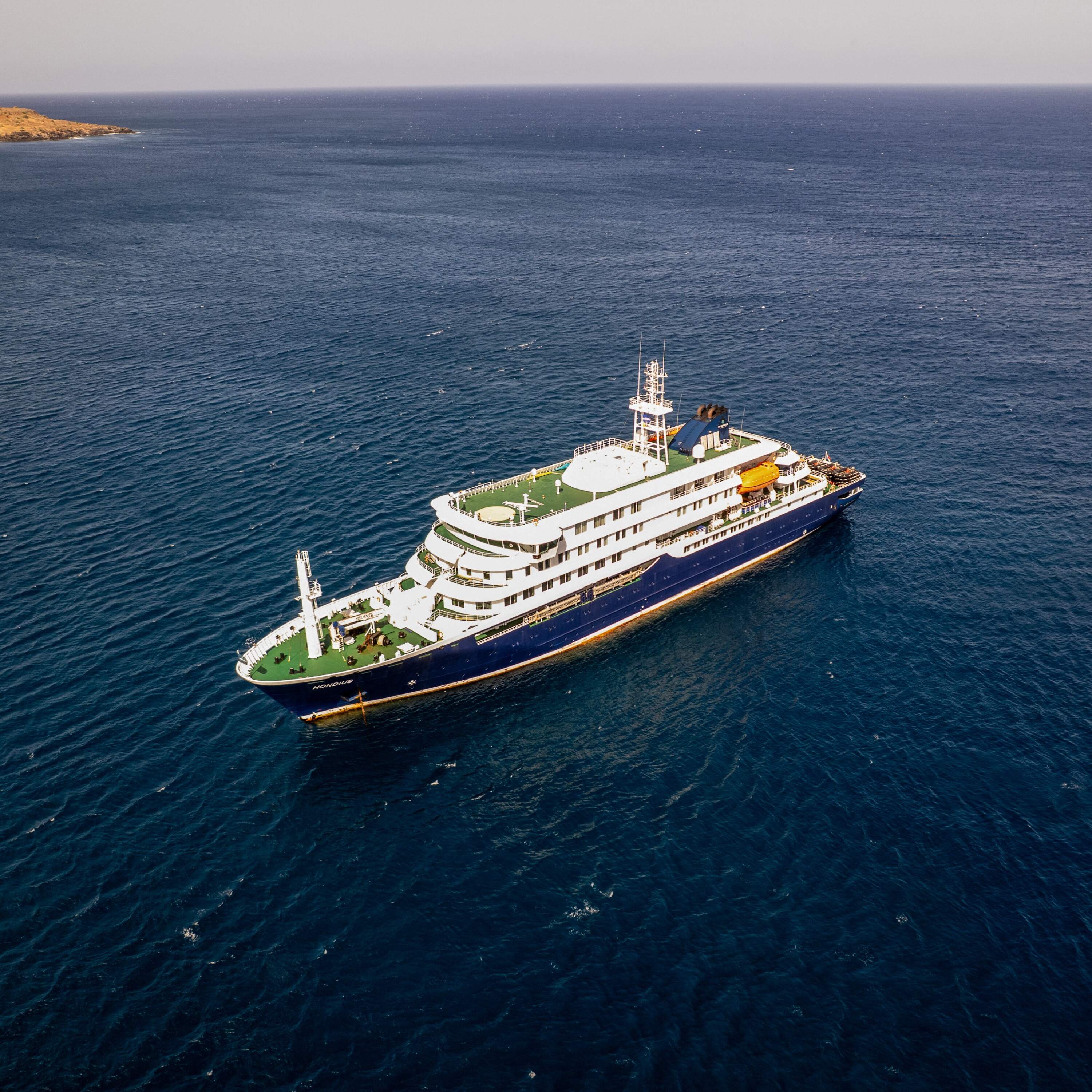
A recent hantavirus outbreak on a cruise ship in the South Atlantic has prompted urgent public health intervention, as the virus has caused multiple deaths and severe respiratory illness. Unlike typical cases linked to rural rodent exposure, this incident involves the Andes strain, which is uniquely capable of human-to-human transmission. Infectious disease expert Emily Abdoler explains that the virus causes Hantavirus Pulmonary Syndrome, a condition where capillaries become leaky, leading to severe lung and heart failure with mortality rates between 30% and 50%. While passengers are currently practicing strict isolation and contact tracing, the rapid progression of symptoms suggests early exposure. This event highlights the critical necessity of global public health coordination in managing infectious diseases that transcend borders, especially as international travel facilitates the movement of both human hosts and potential vectors.
Sign in to continue reading, translating and more.
Continue


