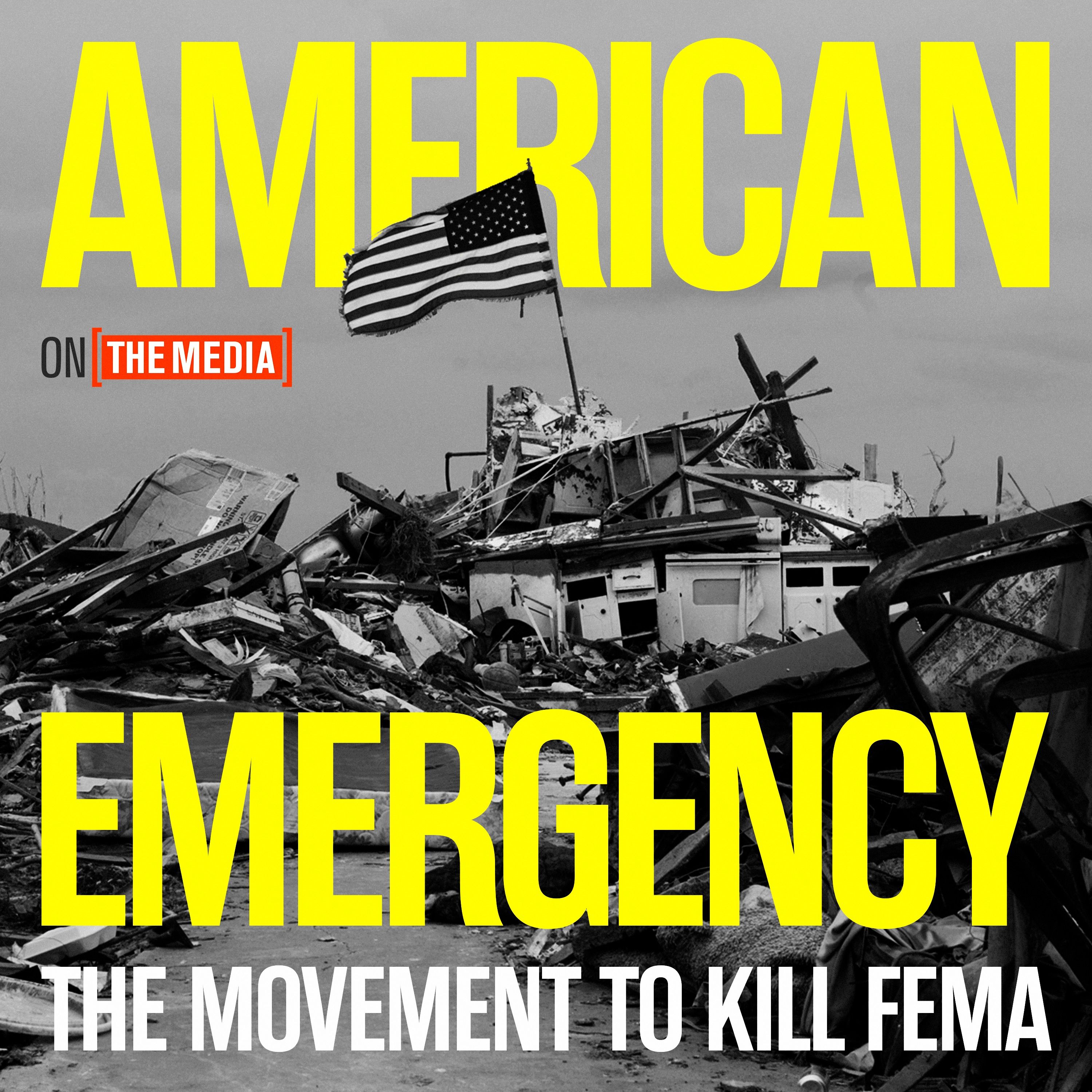
FEMA faces a profound crisis of legitimacy, caught between its secretive Cold War origins and the escalating demands of climate-driven disasters. Originally conceived as a dual-purpose agency for nuclear civil defense and disaster relief, its early reliance on classified "continuity of government" planning fueled decades of anti-government paranoia and conspiracy theories regarding detention camps. While the agency achieved a brief period of professional success in the 1990s under James Lee Witt—who prioritized transparency and common-sense disaster management—it remains vulnerable to political instability and misinformation. Today, the agency struggles to maintain its operational capacity as it navigates a landscape of violent threats against staff and a political climate that increasingly views federal disaster response with hostility, raising urgent questions about the nation's ability to survive the next major catastrophe without a functional, trusted emergency management system.
Sign in to continue reading, translating and more.
Continue