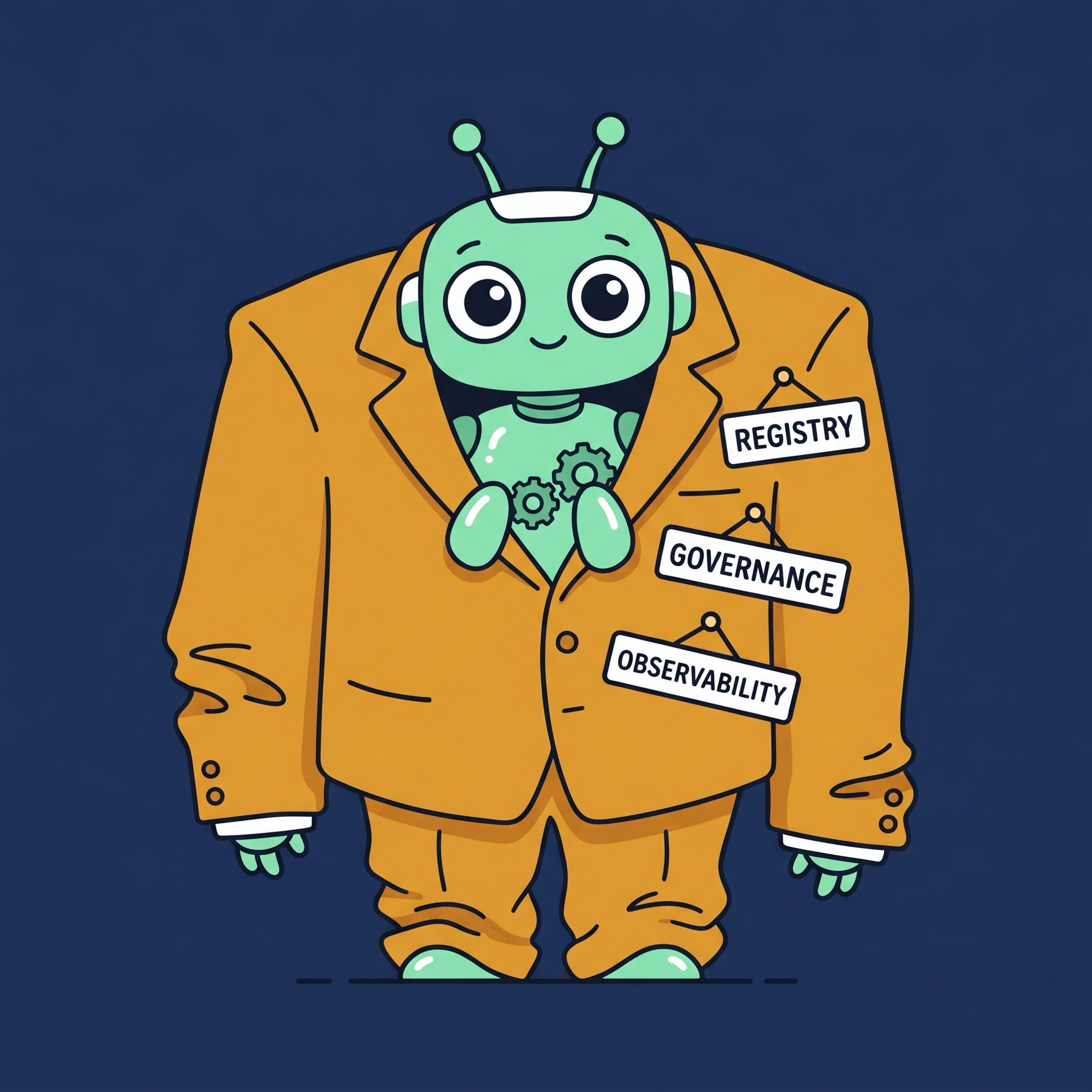
Enterprise software development is increasingly adopting "agentic AI," yet these implementations often mirror traditional "burger diagrams" that prioritize governance and registry structures over genuine autonomy. While industry demonstrations showcase agents as planners or simulators, these tools frequently function as thin shims over existing microservices rather than transformative virtual workers. The current enthusiasm for AI in the enterprise faces significant hurdles, including the massive capital expenditure required for model development and the lack of clear, scalable use cases beyond coding. Skepticism regarding AI adoption should shift from emotional reactions to rigorous economic analysis, specifically questioning whether these models can achieve profitability before being superseded by newer iterations. Ultimately, the industry remains in a period of experimentation, struggling to define the actual "jobs to be done" for AI while navigating the hype cycle surrounding these technologies.
Sign in to continue reading, translating and more.
Continue