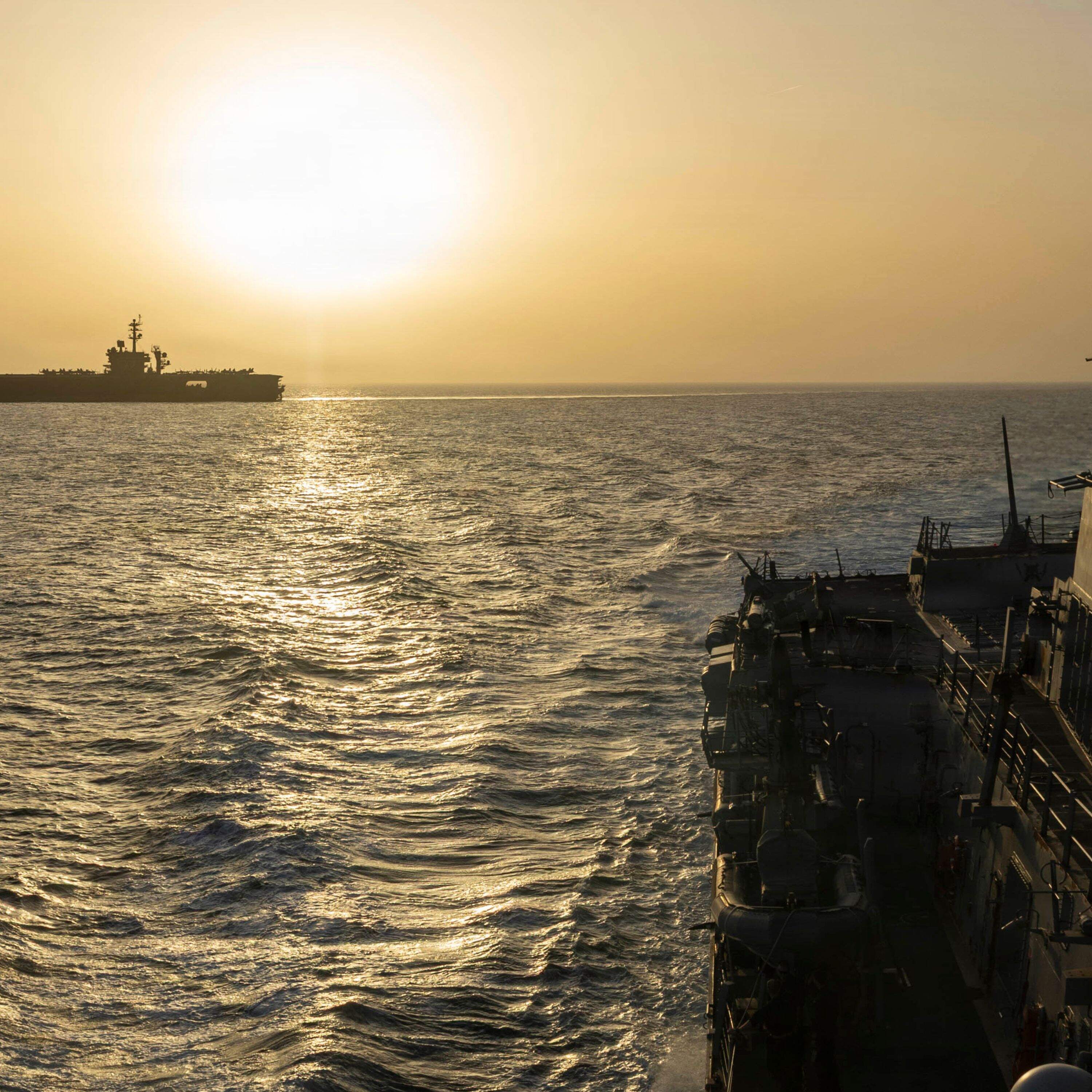
Modern warfare has shifted from physical naval blockades to the weaponization of economic chokepoints within global financial markets and supply chains. Edward Fishman, director at the Council on Foreign Relations, explains that these chokepoints exist where a nation holds a dominant position over a resource or service with no easy substitutes. While the U.S. pioneered this strategy using the dollar's global dominance and AI semiconductor exports, adversaries like China have retaliated by restricting access to critical rare earth elements. This economic arms race creates a state of mutual vulnerability, driving a transition from a globalized economy to a fragmented, block-based system. Without international coordination and legislative guardrails, the unconstrained use of sanctions and export controls risks a chaotic breakdown of global trade. Such economic instability historically increases the likelihood of military conflict as nations may resort to force to secure essential resources no longer available through open markets.
Sign in to continue reading, translating and more.
Continue


