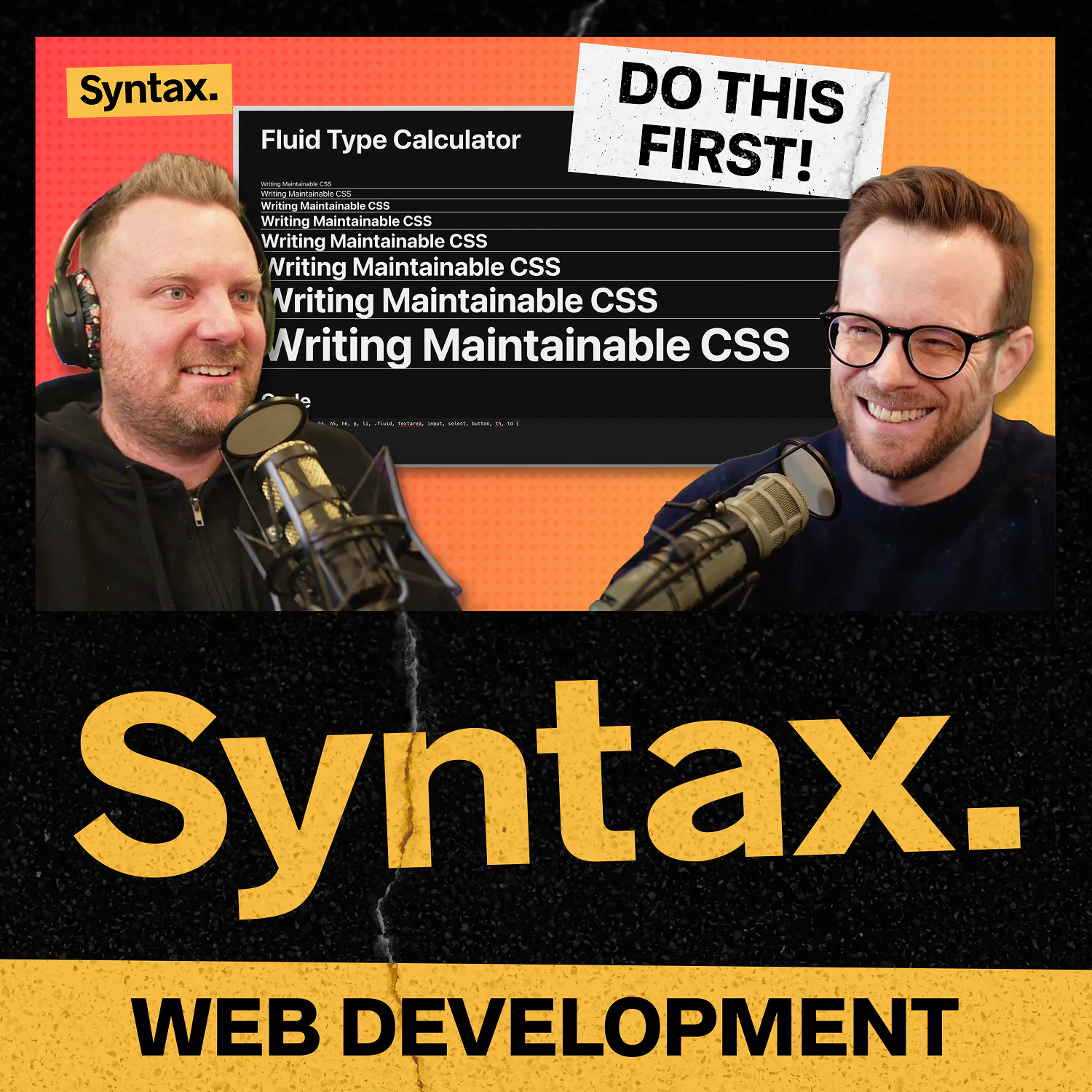

Maintainable CSS requires a disciplined approach to project structure to prevent long-term code rot and ensure scalability. Key strategies include leveraging component-scoped CSS to prevent style leakage, utilizing CSS variables for consistent design tokens, and adopting modern features like CSS layers and container queries to manage complexity without relying on excessive media queries. Rather than choosing a single rigid framework, success lies in establishing a consistent system—whether through utility-first approaches like Tailwind or native scoping—and enforcing it with tools like StyleLint to prevent arbitrary value deviations. Fluid typography, managed through mathematical clamp functions, further reduces the need for manual breakpoint adjustments. By prioritizing reusable, modular units and avoiding hard-coded values, developers create flexible, cohesive systems that remain manageable as projects grow in size and complexity.
Sign in to continue reading, translating and more.
Continue