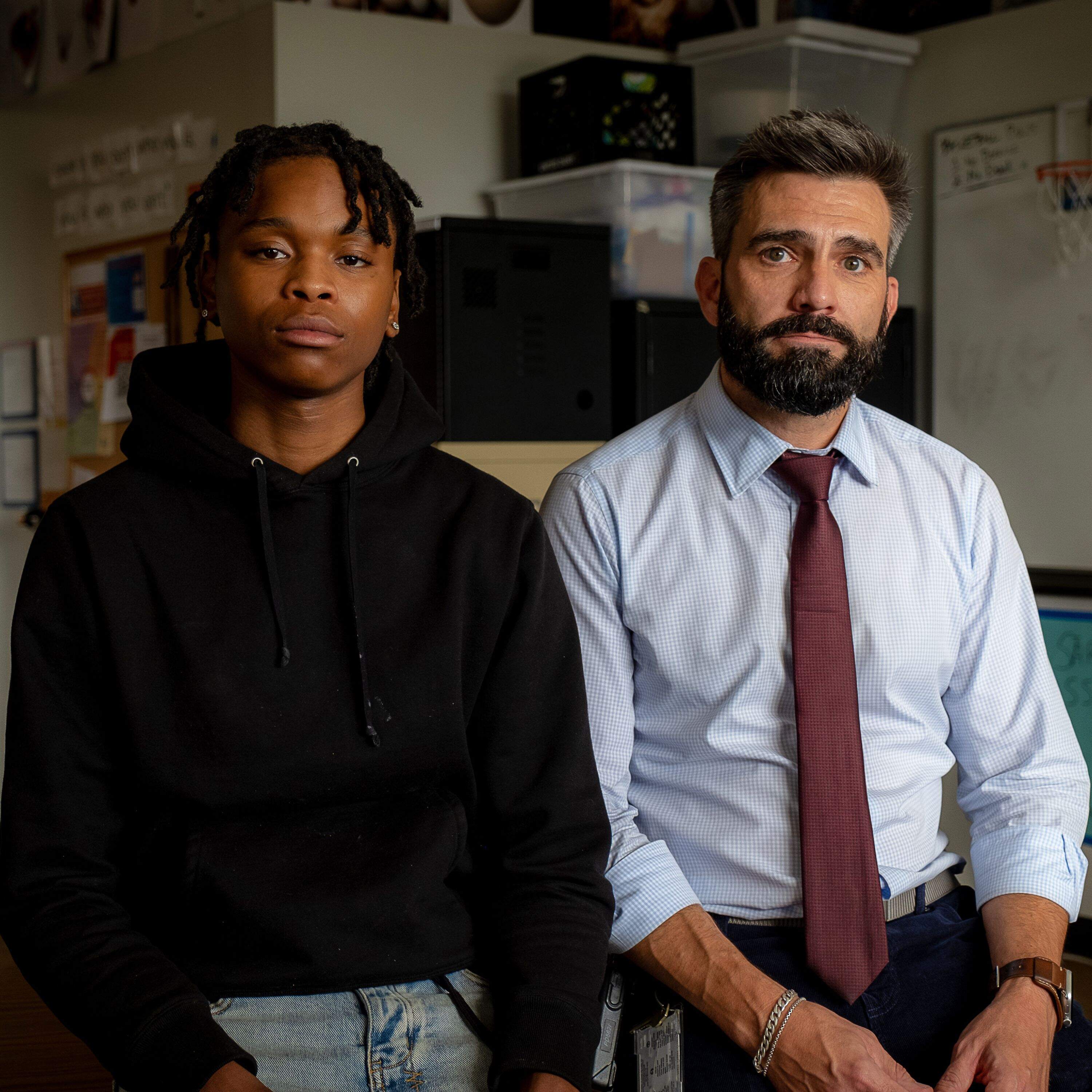
The "emotional disturbance" (EBD) label in special education functions as a subjective, non-medical designation that frequently isolates students, particularly low-income children of color, into segregated classrooms. This practice often exacerbates behavioral issues by removing students from the general education environment, creating a cycle of suspension and limited academic growth. Reporter Laurie Stern highlights this systemic failure through the experience of Walt, a student in St. Paul, Minnesota, whose journey reflects the difficulty of overcoming these labels despite personal motivation. While some districts have experimented with mainstreaming to improve outcomes and foster confidence, inconsistent support and training often lead to its abandonment. Ultimately, the reliance on separate EBD classrooms continues to limit opportunities for students who, like Walt, struggle to navigate the intersection of personal trauma and institutional barriers.
Sign in to continue reading, translating and more.
Continue