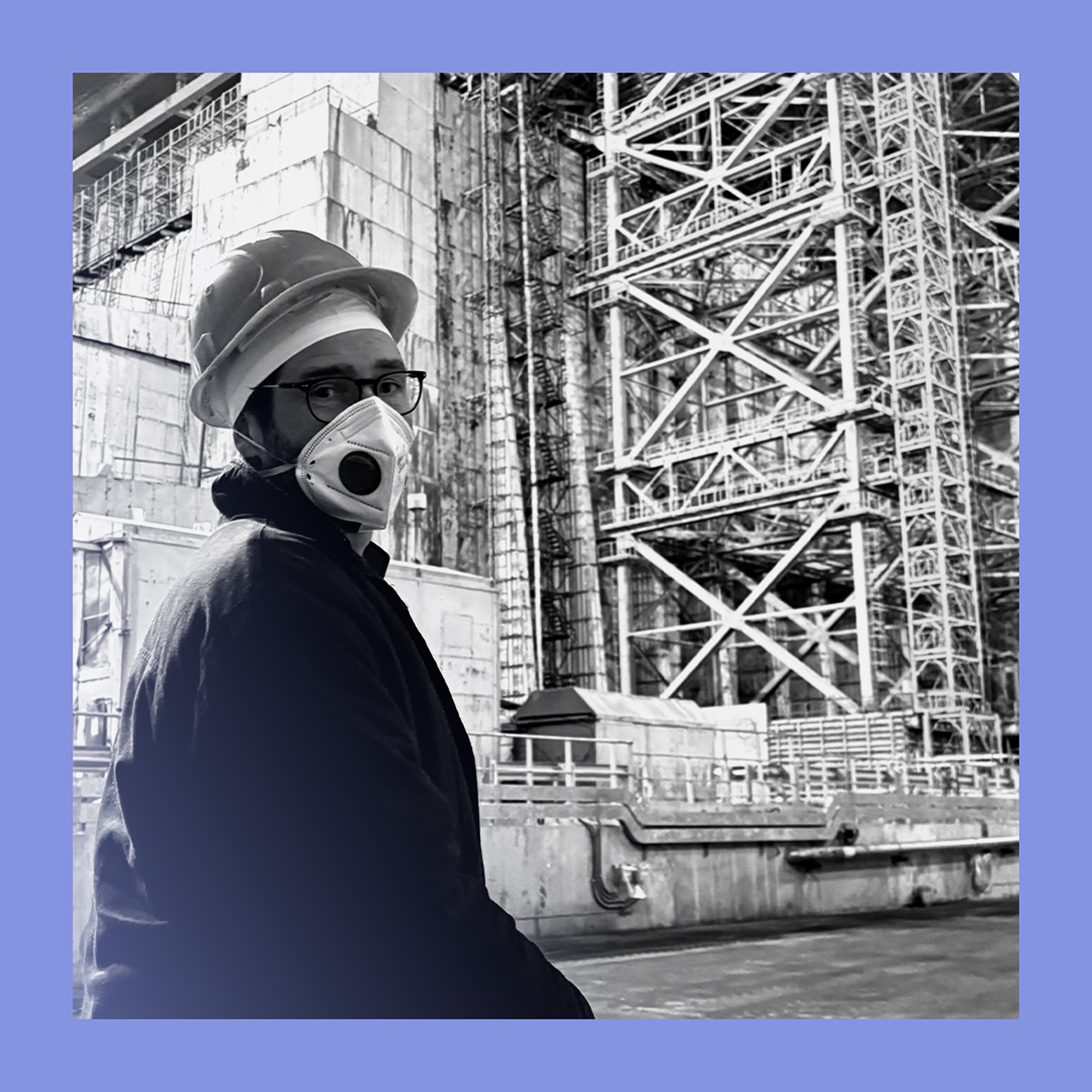
Chernobyl remains a potent symbol of nuclear risk, defined not only by the 1986 reactor explosion but by the systemic failures of Soviet bureaucracy and state-mandated secrecy. The disaster’s legacy persists through the ongoing challenges of managing nuclear sites during armed conflict, as evidenced by the 2022 Russian occupation of the plant. While technological safety protocols have evolved, political culture and the lack of robust international frameworks for protecting nuclear facilities during war remain critical vulnerabilities. Beyond the human toll, the exclusion zone has become a unique laboratory for radiobiology, revealing how radiation pressure influences the evolution of plants, animals, and bacteria. Insights from this site are essential for understanding the long-term environmental impacts of nuclear accidents and developing strategies for future safety, particularly as the global nuclear industry faces the dual pressures of climate change and geopolitical instability.
Sign in to continue reading, translating and more.
Continue


