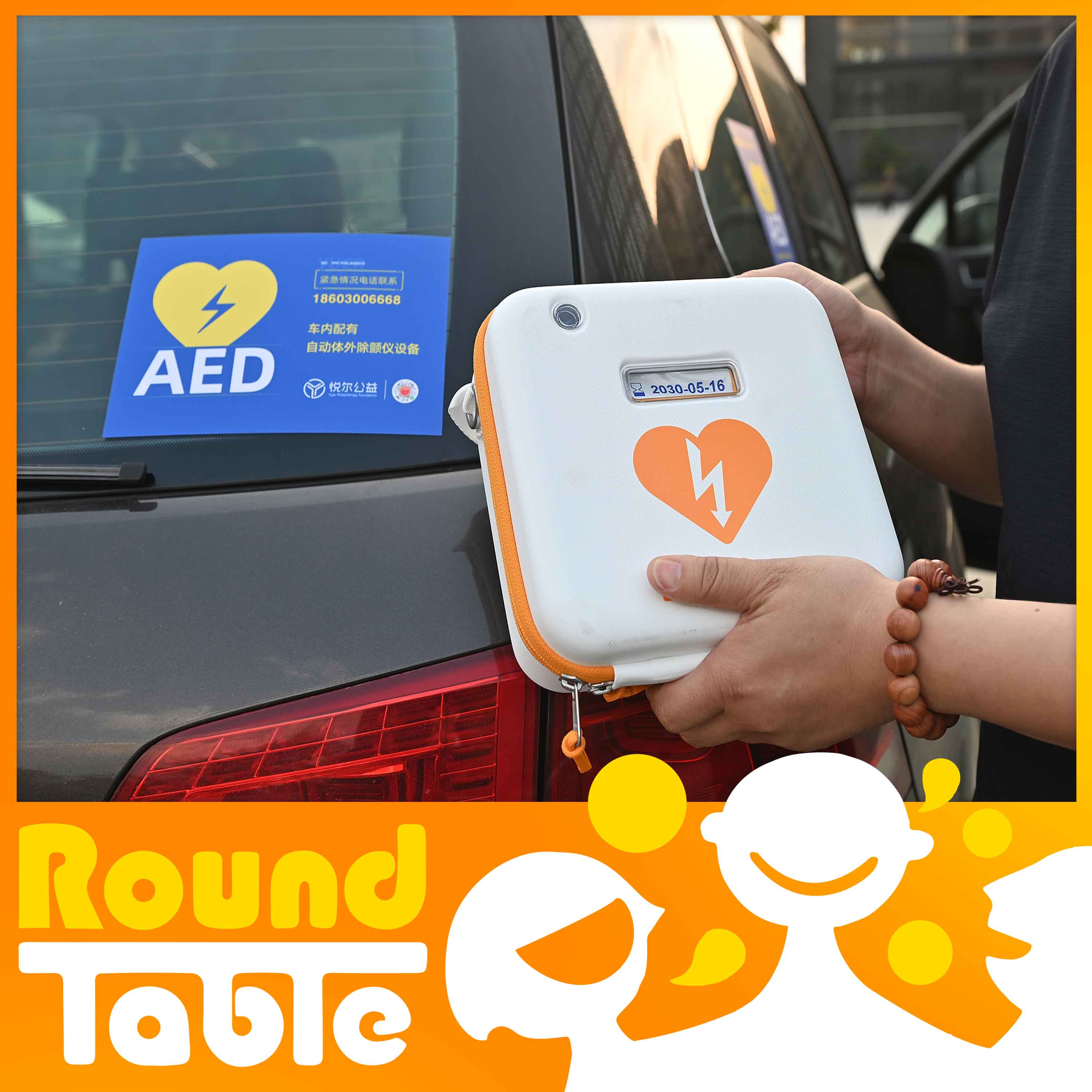
Automated External Defibrillators (AEDs) serve as critical, life-saving tools for treating sudden cardiac arrest, yet their widespread deployment remains hindered by significant logistical and psychological barriers. A recent incident in Weihai, where a citizen broke a car window to access an AED, underscores the urgency of the "golden four-minute" window required for effective intervention. While these devices function as essential reset buttons for chaotic heart rhythms, high costs—often exceeding 10,000 yuan—and ongoing maintenance needs limit private ownership. Furthermore, public hesitation stems from misplaced fears regarding legal liability and the complexity of operation. In reality, Good Samaritan laws protect rescuers, and modern AEDs feature intuitive, step-by-step audio guidance, allowing even untrained individuals to operate them safely. Expanding public access through integrated emergency maps and prominent placement in high-traffic areas remains the most viable strategy for improving survival rates.
Sign in to continue reading, translating and more.
Continue