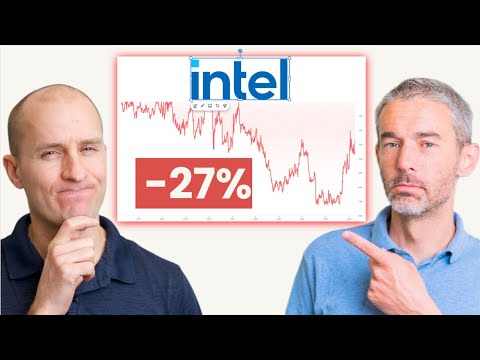
Intel faces significant structural challenges as it transitions from a dominant semiconductor leader to a struggling integrated device manufacturer. While the company benefits from a "political moat" due to its strategic importance to the U.S. government and the CHIPS Act, its core business is plagued by declining gross margins, intense competition from NVIDIA and AMD, and a loss of manufacturing leadership to Taiwan Semiconductor. The company’s pivot to foundry services represents a high-risk, capital-intensive turnaround strategy that remains unproven, with foundry revenue currently accounting for only a small fraction of total sales. Despite recent stock price appreciation driven by government subsidies and expectations of a rebound, the business suffers from high execution risk, heavy debt, and a valuation that appears disconnected from its current operational performance. Consequently, the stock remains a high-risk proposition for investors seeking sustainable growth.
Sign in to continue reading, translating and more.
Continue