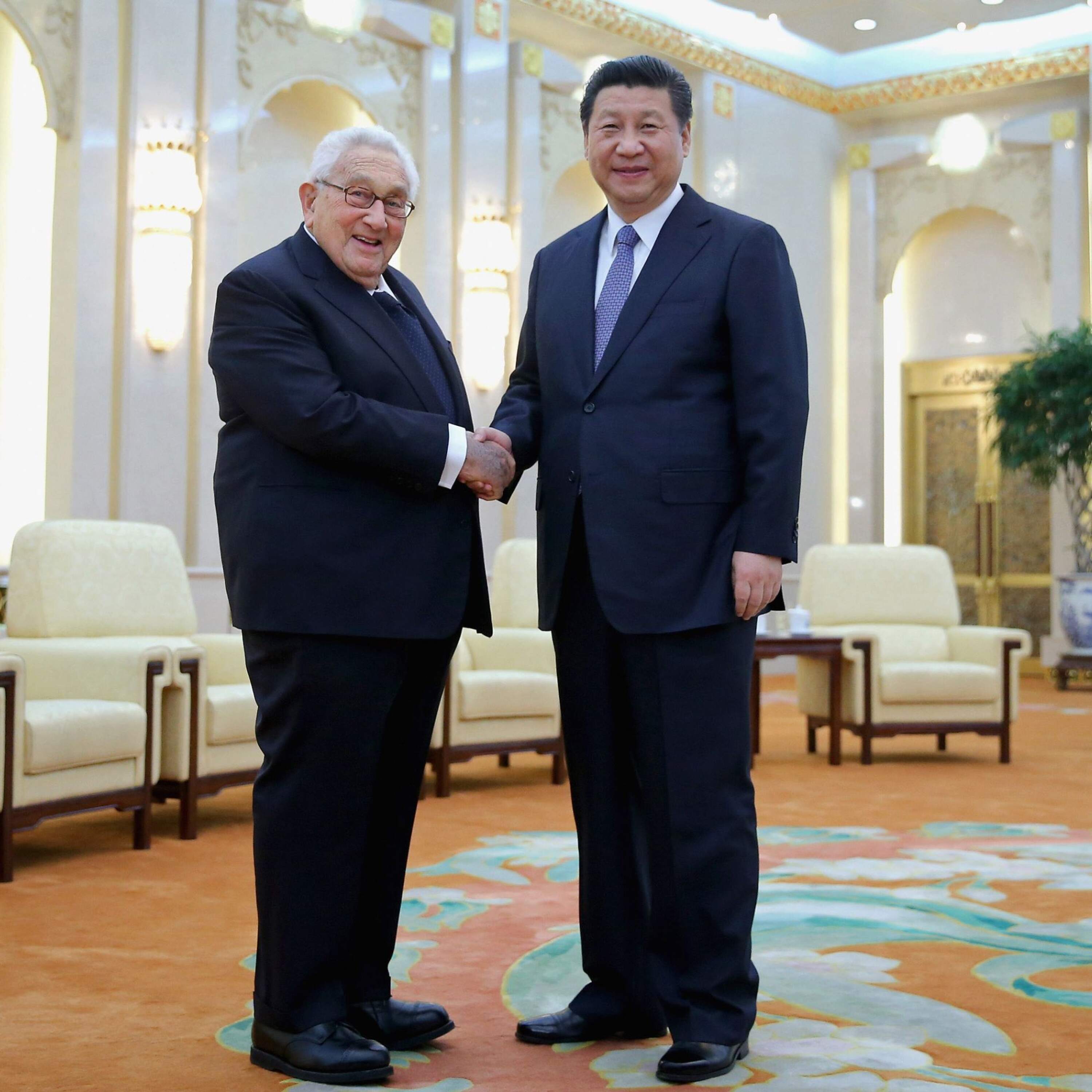
The petrodollar system, a 50-year-old arrangement where oil-producing nations price exports in U.S. dollars, serves as a cornerstone of the dollar’s status as the world’s reserve currency. Emerging from the 1973 oil shock and formalized through 1974 negotiations between Treasury Secretary Bill Simon and Saudi Arabia, this regime facilitated "petrodollar recycling," where oil profits were reinvested into U.S. Treasuries to fund federal deficits. Historian David White notes that while no explicit "quid pro quo" document exists, the deal exchanged military and economic security for dollar-denominated trade. Today, this architecture faces challenges as China seeks to settle trade in yuan and Iran collects tolls in non-dollar currencies. A shift away from this system threatens the American economy by potentially devaluing the dollar, increasing import costs, and raising interest rates on consumer loans as foreign demand for U.S. debt softens.
Sign in to continue reading, translating and more.
Continue