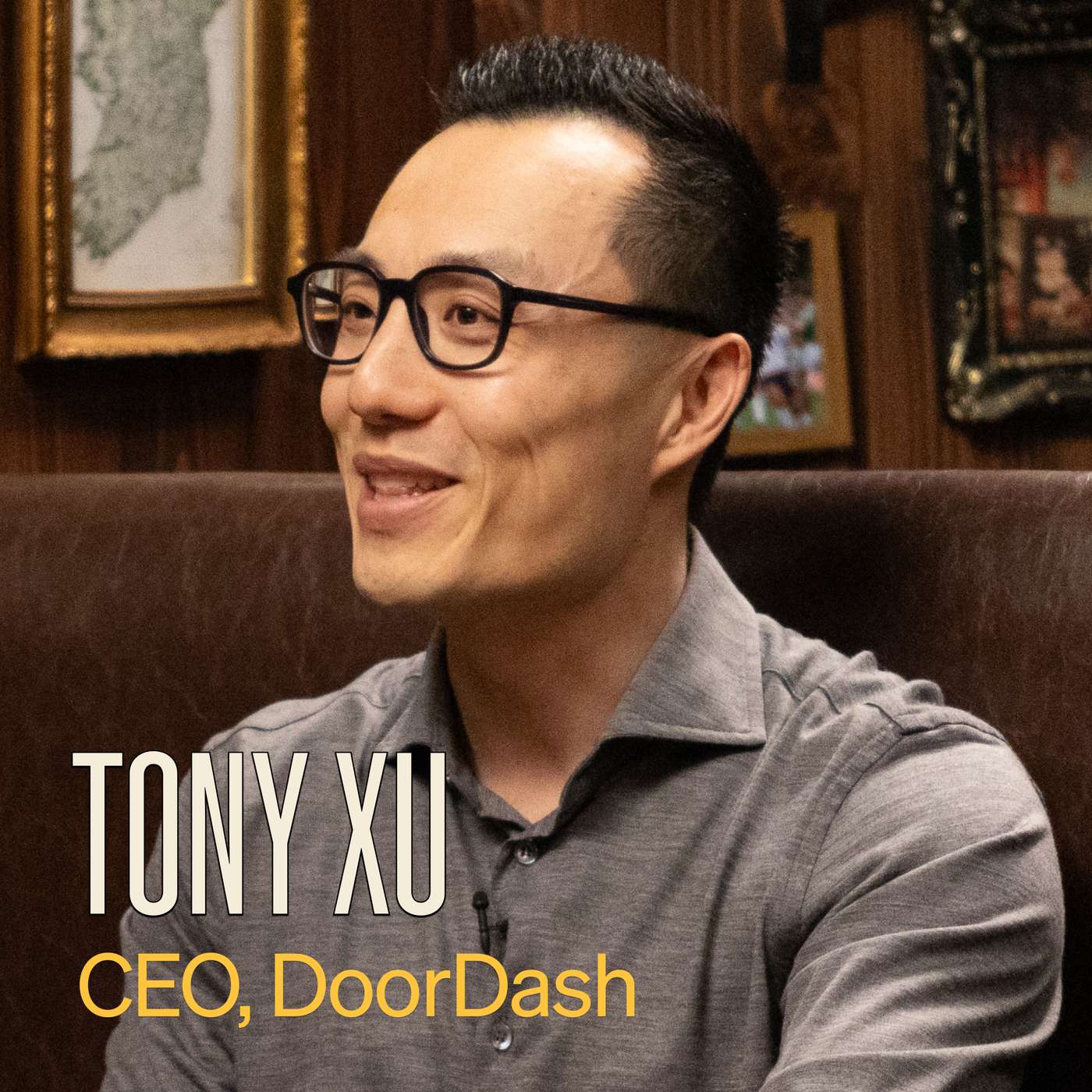

DoorDash CEO Tony Xu details the company's evolution from a Stanford side project to a dominant delivery platform, attributing success to superior retention and high-frequency usage rather than aggressive marketing. Operational complexity defines the restaurant industry, where long-term viability requires balancing traditional hospitality with manufacturing-like efficiency. DoorDash maintains a competitive edge by building robust systems for reliability, including proprietary mapping and autonomous delivery initiatives like "Dot." Scaling restaurant brands remains difficult due to labor and permitting challenges, rendering ghost kitchens less effective than initially anticipated. Future growth depends on solving end-to-end logistics, such as digitizing offline inventory and leveraging AI to enhance personalization. By providing software tools that help restaurants manage their own customer relationships, the platform aims to move beyond simple delivery to become a comprehensive digital infrastructure for local commerce.
Sign in to continue reading, translating and more.
Continue

