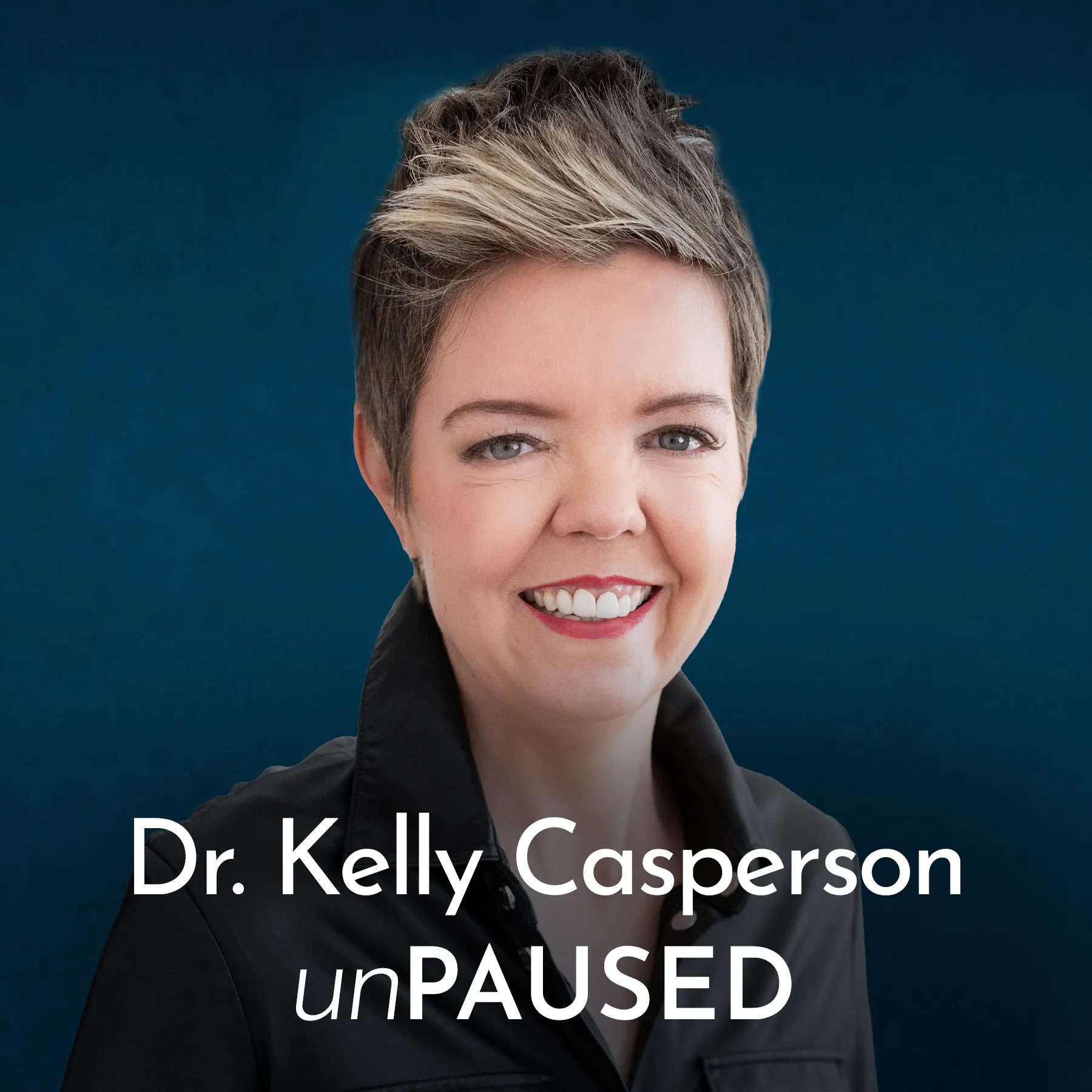
Women’s sexual health remains a neglected field, characterized by systemic silence, inadequate medical training, and harmful societal myths. Dr. Kelly Casperson, a urologist, highlights that the persistent "orgasm gap" in heterosexual relationships stems from a lack of sex education and a male-centric model of desire. Rather than being "broken," women often experience responsive desire, where arousal follows the creation of a safe, rewarding sexual context. The brain serves as the primary sex organ, and dopamine pathways are critical to maintaining interest in sex. Furthermore, hormonal shifts during perimenopause and menopause, combined with the "naturalistic fallacy," often lead to the dismissal of women’s physical and sexual symptoms. Addressing these issues requires prioritizing sexual health as a fundamental quality-of-life metric, moving beyond outdated medical models, and fostering open communication to ensure women receive the care and validation they deserve.
Sign in to continue reading, translating and more.
Continue