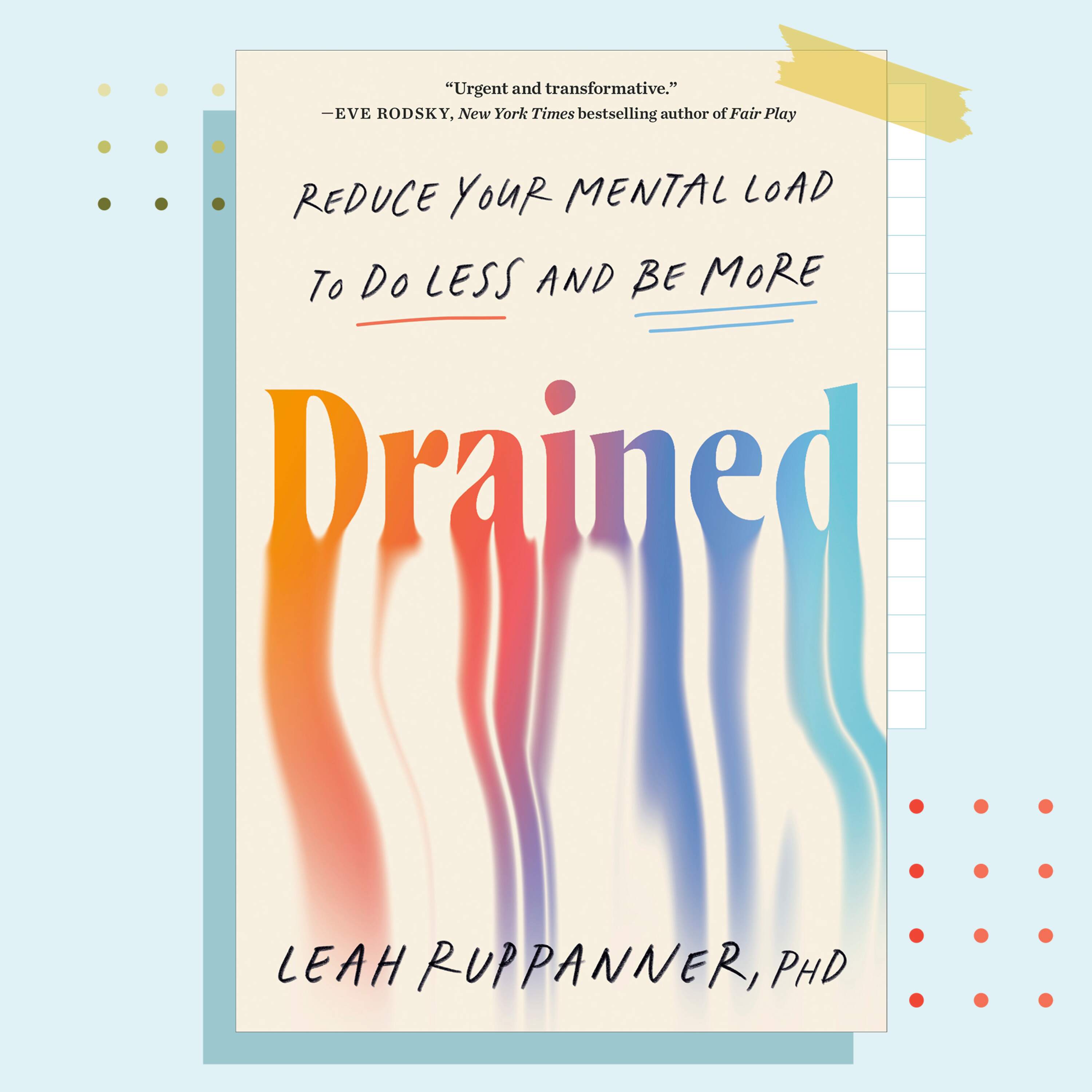
The mental load—the invisible, boundaryless, and enduring cognitive labor required to manage a household and care for loved ones—disproportionately burdens women due to persistent social standards and gendered expectations. Sociologist Leah Ruppanner, author of *Drained*, explains that while men and women perceive mess equally, women face harsher social judgment for domestic failures, leading to chronic burnout. Lightening this load requires a systematic audit across eight specific categories, including life organization, emotional support, and "magic making." By identifying "drains" versus "credits" and challenging the myth that women are naturally better multitaskers, individuals can eliminate redundant tasks and outsource labor through technology or shared responsibility. Ultimately, reclaiming cognitive capacity allows for "dream building," shifting energy from survival-based chores toward personal ambitions and long-term well-being.
Sign in to continue reading, translating and more.
Continue