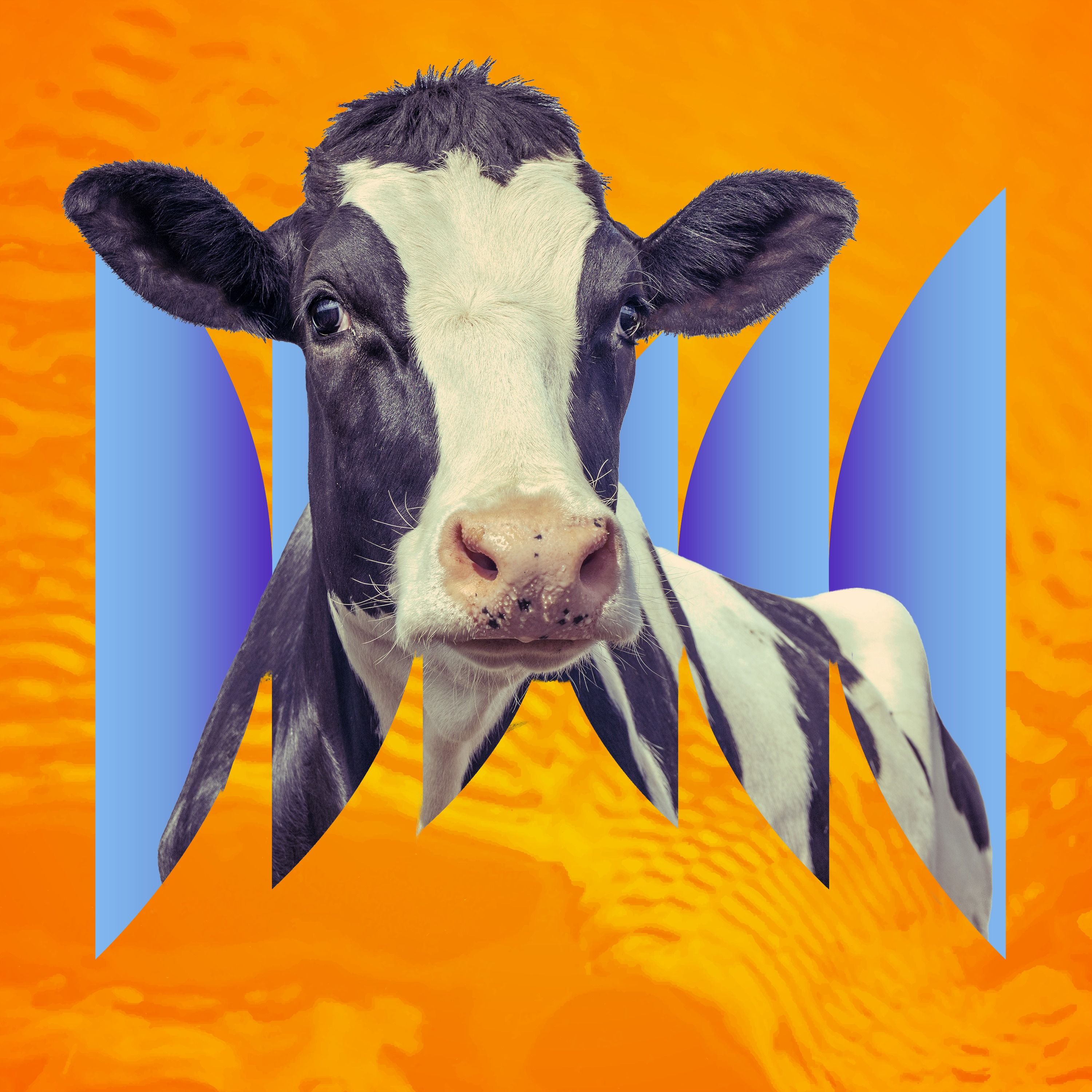
Stray voltage serves as a contentious explanation for mysterious dairy cow illnesses, characterized by animals refusing water and consuming urine. While many farmers attribute these behaviors to electrical leakage from nearby power infrastructure, scientific consensus remains divided. Experts highlight that modern dairy management—specifically the transition from individual tie stalls to large, high-density free stall barns—creates stressful environments that exacerbate health issues and alter social dynamics. Furthermore, the "500-ohm cow" standard, used to regulate acceptable electrical thresholds, faces scrutiny from field electricians who argue that wet, manure-laden environments significantly lower a cow's electrical resistance, making them more susceptible to low-level currents. Ultimately, the phenomenon sits at the intersection of agricultural modernization, industrial power demands, and the desperate search for answers when high-performance livestock fail to thrive.
Sign in to continue reading, translating and more.
Continue