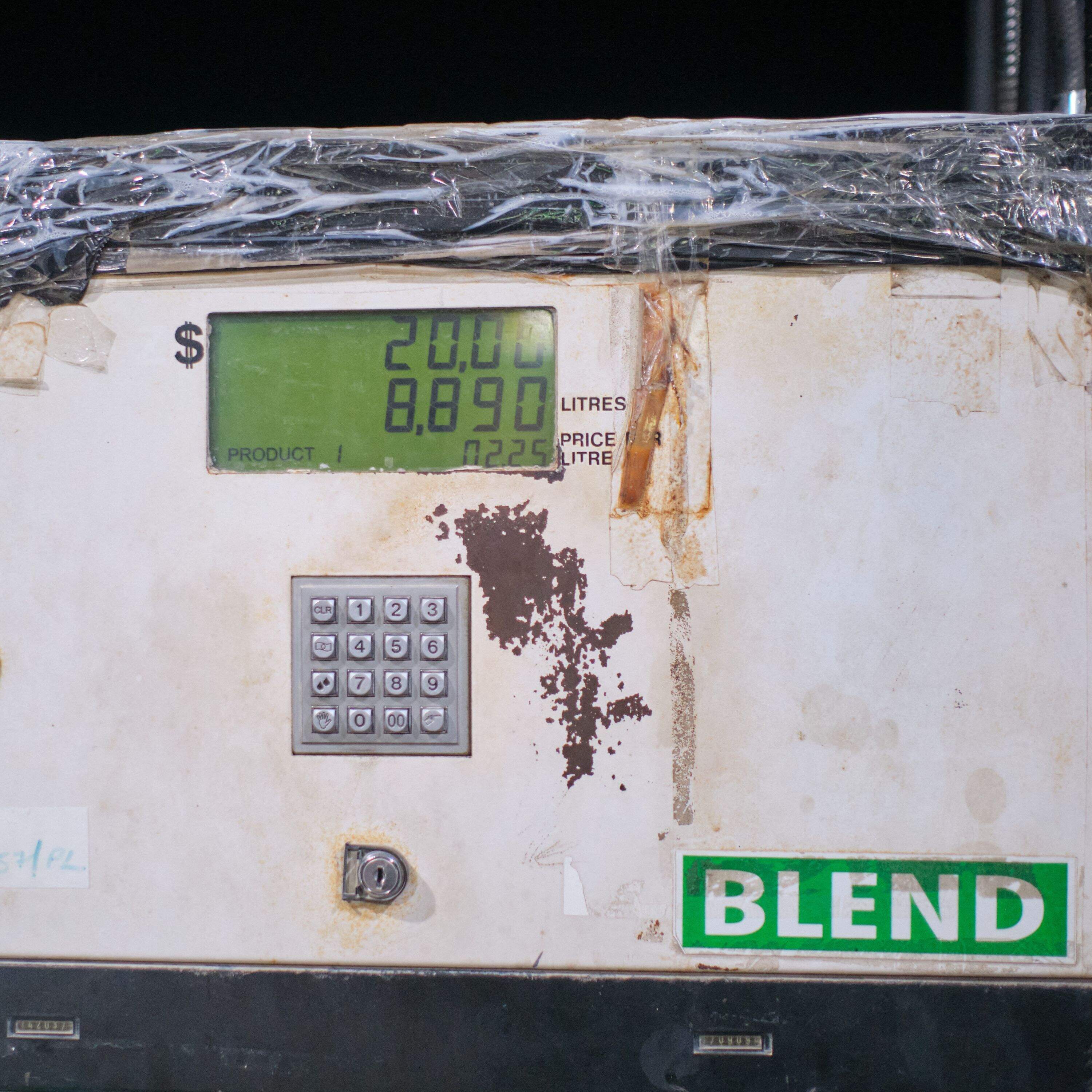
The closure of the Strait of Hormuz has triggered a global energy crisis, disrupting supply chains and causing oil prices to exceed $100 per barrel. Nations are experiencing varying degrees of impact based on their economic resilience and energy strategies. New Zealand, highly dependent on refined imports, faces severe fuel shortages and rising costs, forcing the government to weigh the risks of market intervention against the necessity of demand reduction. Meanwhile, Zimbabwe struggles with record-high fuel prices that threaten its mining and agricultural sectors, exacerbated by a lack of government tax relief. Conversely, China remains well-positioned due to strategic stockpiling, energy diversification, and a unique ability to secure discounted oil from sanctioned nations like Iran and Russia. These divergent outcomes underscore how geopolitical instability in the Middle East creates cascading economic consequences that transcend regional borders.
Sign in to continue reading, translating and more.
Continue