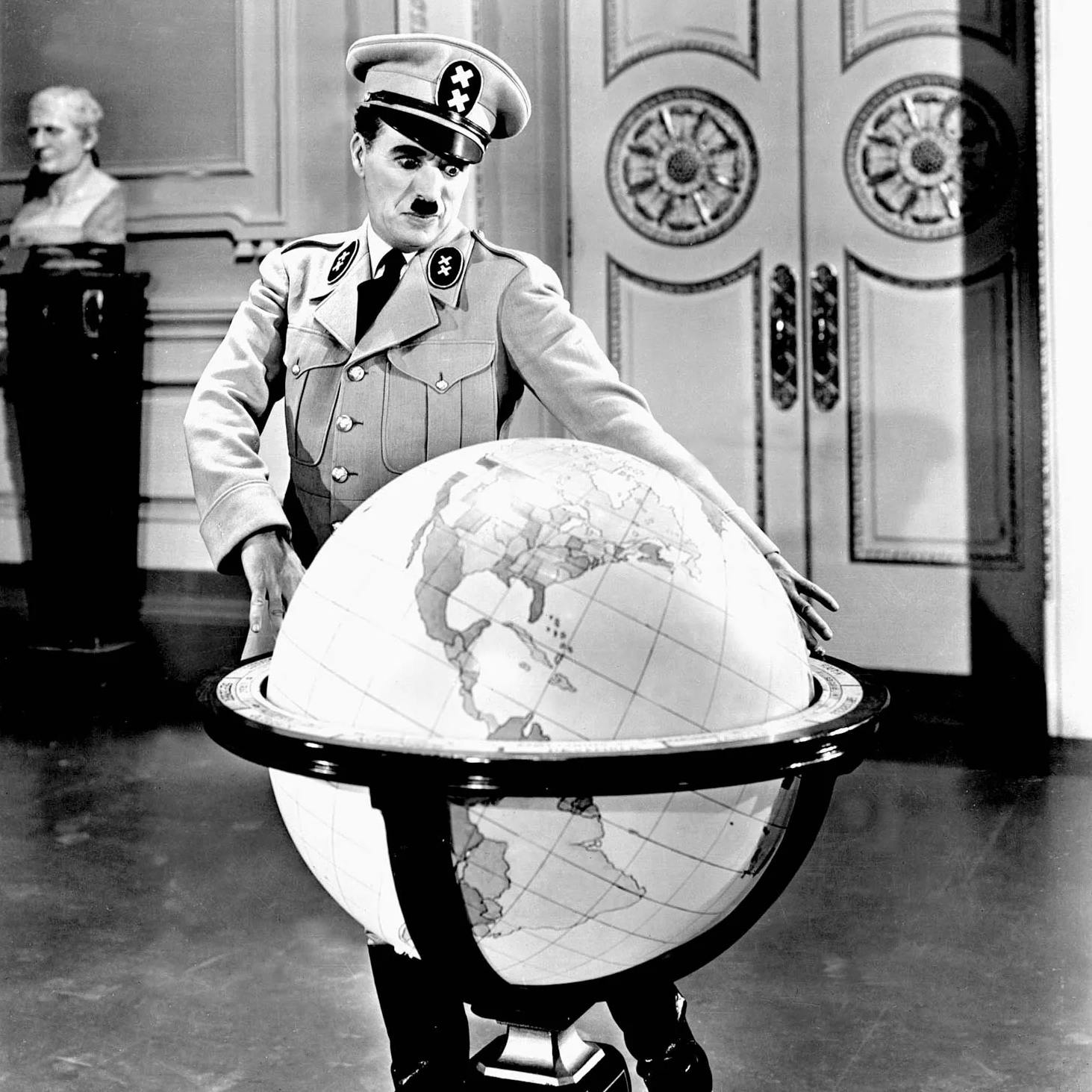
Charlie Chaplin’s transformation from the world’s most beloved silent film star to a target of FBI persecution during World War II stems from his outspoken pacifism and left-leaning political engagements. His 1940 masterpiece, *The Great Dictator*, served as a bold, high-stakes satire of Adolf Hitler, challenging Hollywood’s isolationist stance and the studio system's fear of losing European markets. Despite the film's massive commercial success, Chaplin’s career and personal life became increasingly vulnerable to the machinations of J. Edgar Hoover. The FBI leveraged Chaplin’s unconventional personal life and his association with figures like Joan Barry to orchestrate legal scandals, including a baseless Mann Act indictment. These efforts to discredit Chaplin, fueled by his pro-Soviet rhetoric and refusal to conform to American political expectations, ultimately eroded his public standing and laid the groundwork for his eventual forced exile.
Sign in to continue reading, translating and more.
Continue