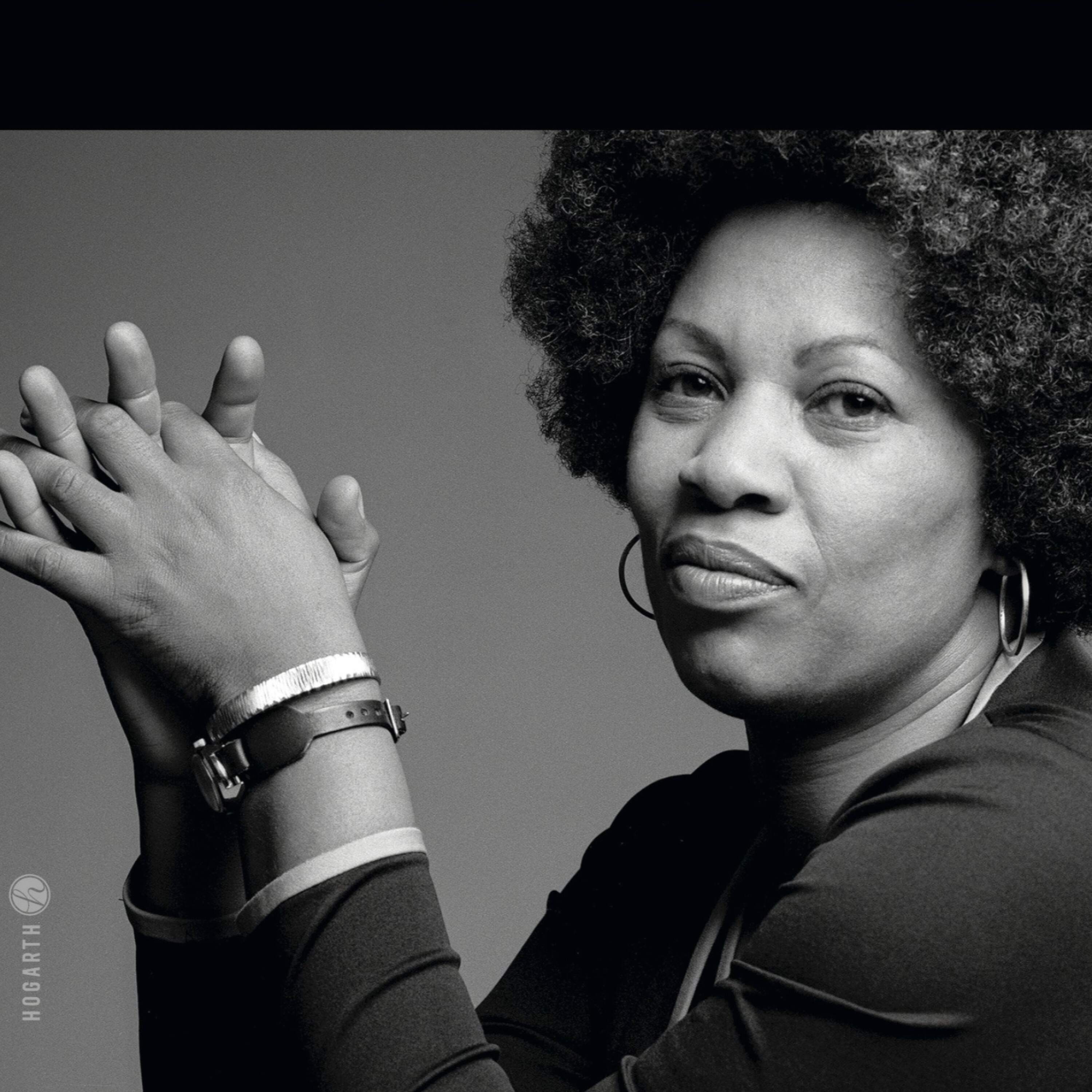
Toni Morrison’s literary legacy often suffers from a disconnect between her iconic status and the actual substance of her writing, a gap that Harvard professor Namwali Serpell addresses in her book *On Morrison*. The critical discourse frequently fixates on Morrison’s biography and perceived "difficulty," often masking underlying racial biases and a refusal to engage with her work on its own terms. By centering blackness as the default rather than a subject requiring translation, Morrison achieved a unique aesthetic freedom. Her writing utilizes "signifying"—a culturally specific form of verbal sparring and humor—to navigate trauma and build community. Furthermore, her complex relationship with history involves deliberate distortions of factual events, such as the murder of Emmett Till, to preserve the sanctity of the past while exploring the haunting, cyclical nature of racial violence in America.
Sign in to continue reading, translating and more.
Continue