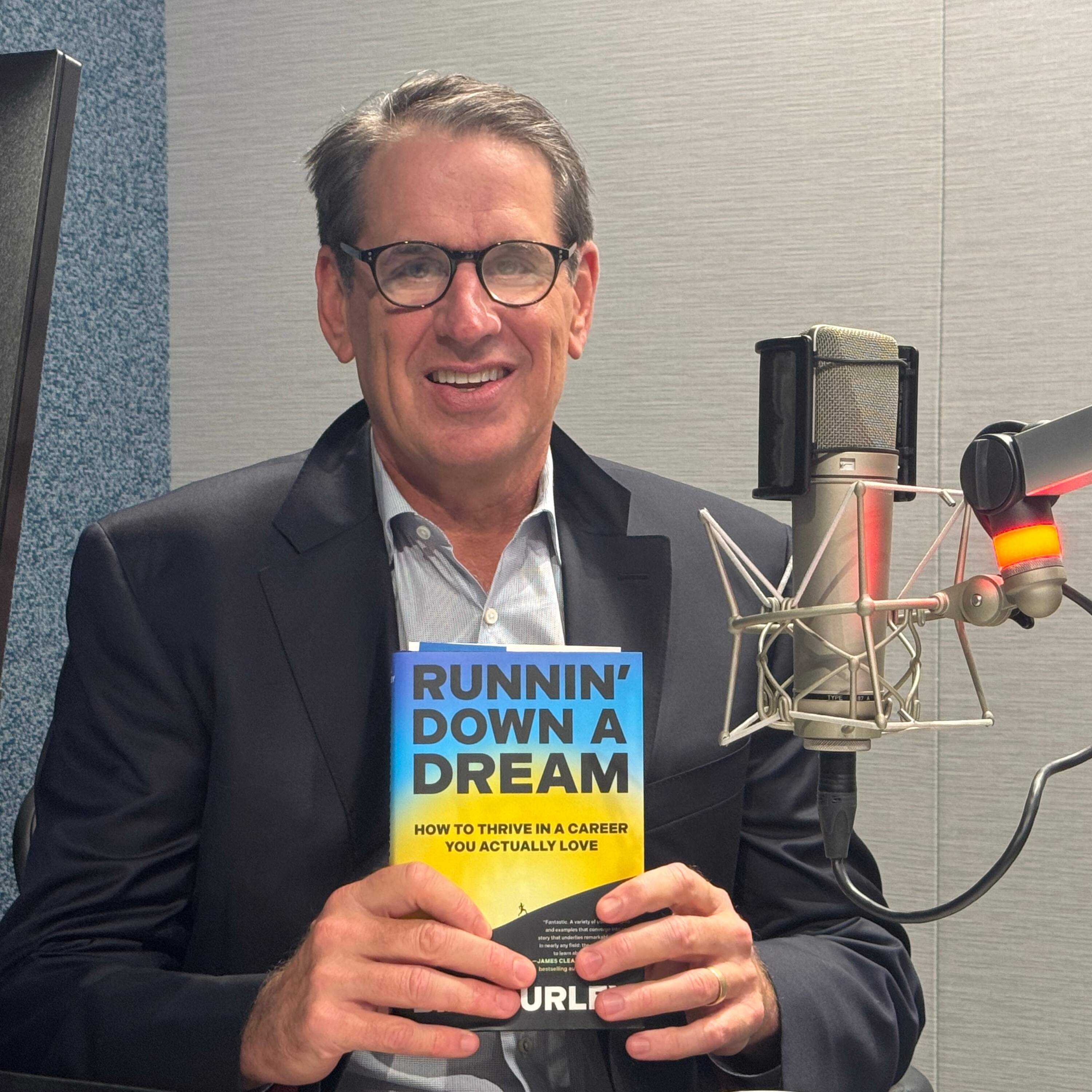
Many American workers report job dissatisfaction, often prioritizing financial security over personal fulfillment. Former venture capitalist Bill Gurley suggests that individuals can successfully transition into careers they love by following a structured path: identifying personal curiosity, becoming a continuous learner, finding mentors, embracing a supportive peer group, and relocating to industry epicenters. However, this advice faces criticism regarding survivorship bias and the significant role of socioeconomic privilege. Economist Robert Frank notes that in "winner-take-all" markets, talent and hard work are often insufficient without a substantial element of luck. While passion may increase the likelihood of achieving excellence, success remains a probabilistic outcome rather than a guaranteed result of effort. Ultimately, individuals must balance the agency to pursue their interests with the reality that external factors and chance play a decisive role in career trajectories.
Sign in to continue reading, translating and more.
Continue