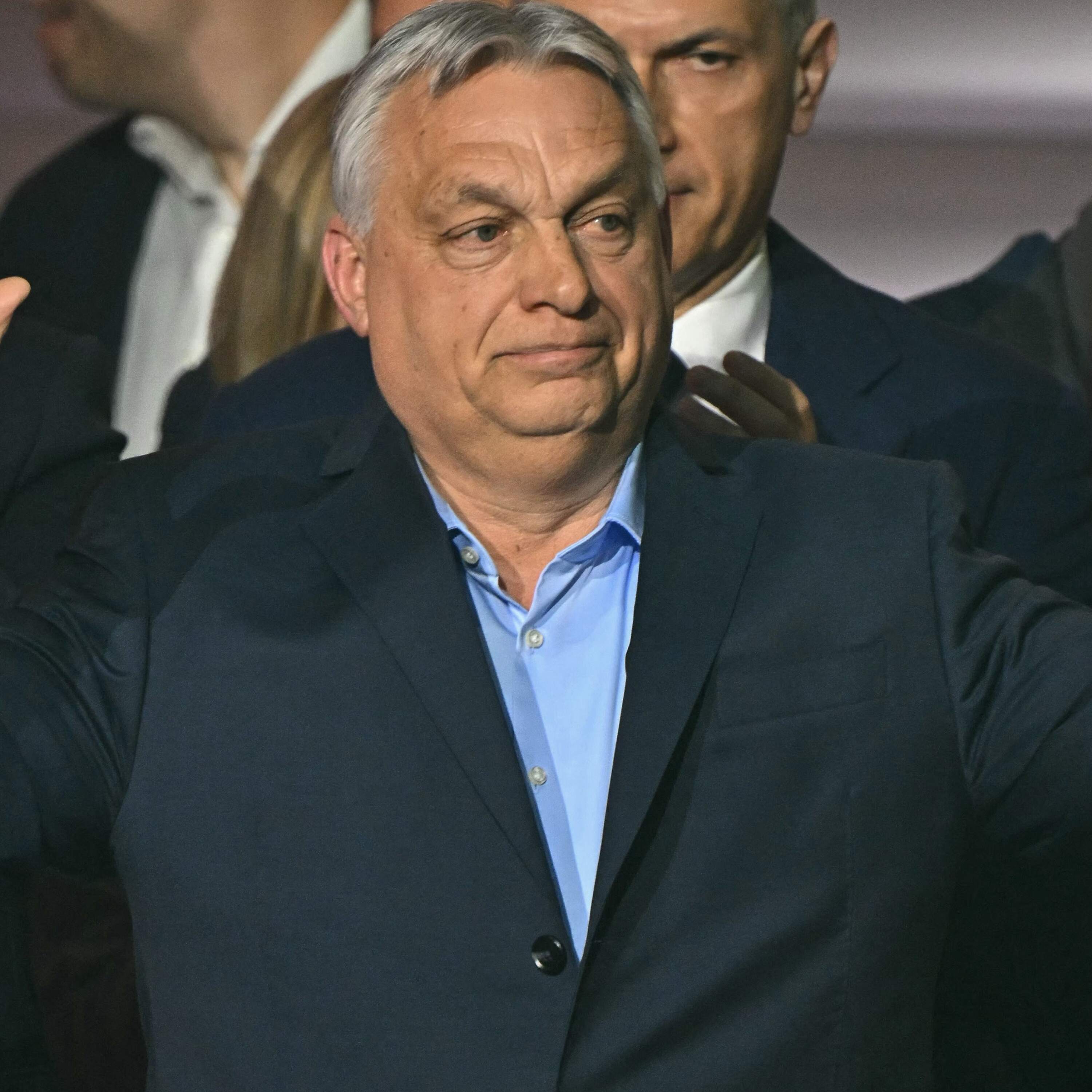

Hungary’s political landscape has undergone a seismic shift following the electoral defeat of long-time Prime Minister Viktor Orban by Peter Magyar and the TISA party. This transition marks the end of a 16-year "illiberal democracy" characterized by the centralization of power and the weakening of judicial and media independence. High inflation, systemic corruption, and a desire for European alignment over Russian influence drove a record 80% voter turnout, signaling a rejection of Orban’s nationalist populist playbook. Political scientist Abel Boyar and correspondent Esme Nicholson highlight that while Magyar’s two-thirds majority provides a mandate for constitutional re-democratization, dismantling the entrenched pro-Orban oligarchy and state institutions remains a formidable challenge. This shift in a nation of nine million serves as a potential global bellwether for the resilience of democratic centers against right-wing populism.
Sign in to continue reading, translating and more.
Continue

