
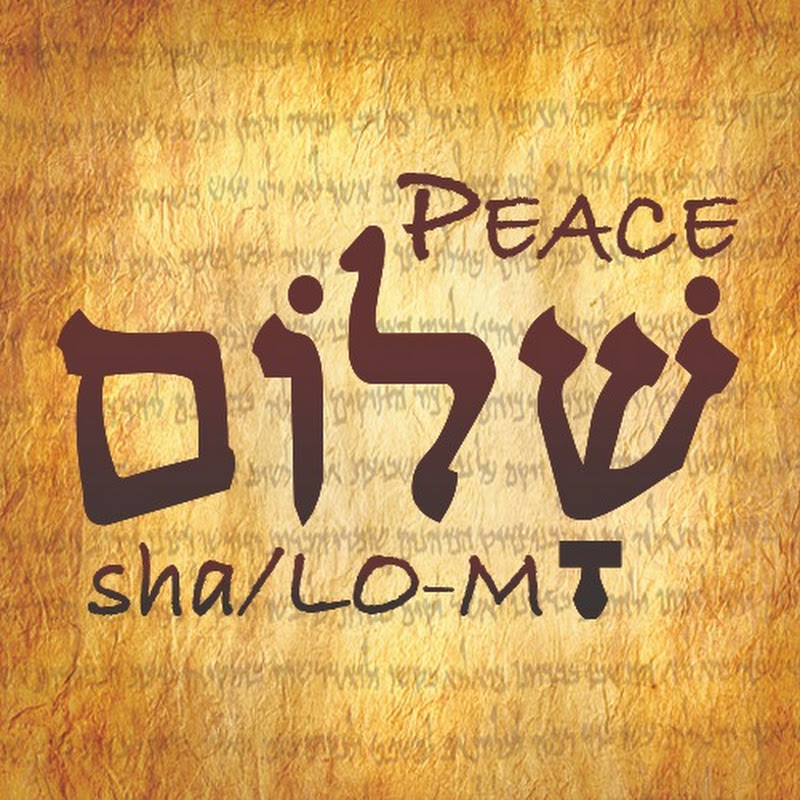
The Hebrew alphabet consists of 22 basic letters read from right to left, characterized by specific phonetic base sounds and structural variations. A central feature of the script is the dagesh, a dot placed within certain letters like Bet, Kaf, and Pay to shift their pronunciation from soft to hard sounds. Five specific letters—Chaf, Mem, Nun, Fay, and Tzadik—transform into "Sofit" or final forms when appearing at the end of a word, often extending below the writing line. While letters like Aleph and Ayin remain silent without vowels, others share identical phonetic outputs, such as Tet and Tav both producing a "T" sound. Mastering the script requires distinguishing between similar-looking characters, notably Shin and Sin, which are differentiated solely by the placement of a superscript dot to indicate "SH" or "S" sounds respectively.
Sign in to continue reading, translating and more.
Continue

