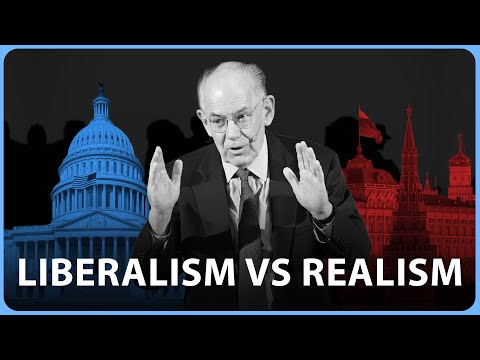
International relations realism posits that power is the primary currency in global politics because states operate in an anarchic system without a higher authority to ensure their security. Unlike liberal "democratic peace theory," which suggests democracies are inherently more peaceful, realism argues that all states—regardless of their political system—are locked in an "iron cage" where they must maximize relative power to survive. While strategic interests and moral imperatives occasionally align, such as the United States' opposition to Nazi Germany, realism dictates that survival takes precedence when the two conflict. A prime example is the U.S. alliance with Joseph Stalin during World War II; despite the ethical contradictions of partnering with a totalitarian regime, the strategic necessity of defeating a greater threat necessitated the partnership. Ultimately, state behavior is driven by the balance of power rather than internal ideological differences.
Sign in to continue reading, translating and more.
Continue