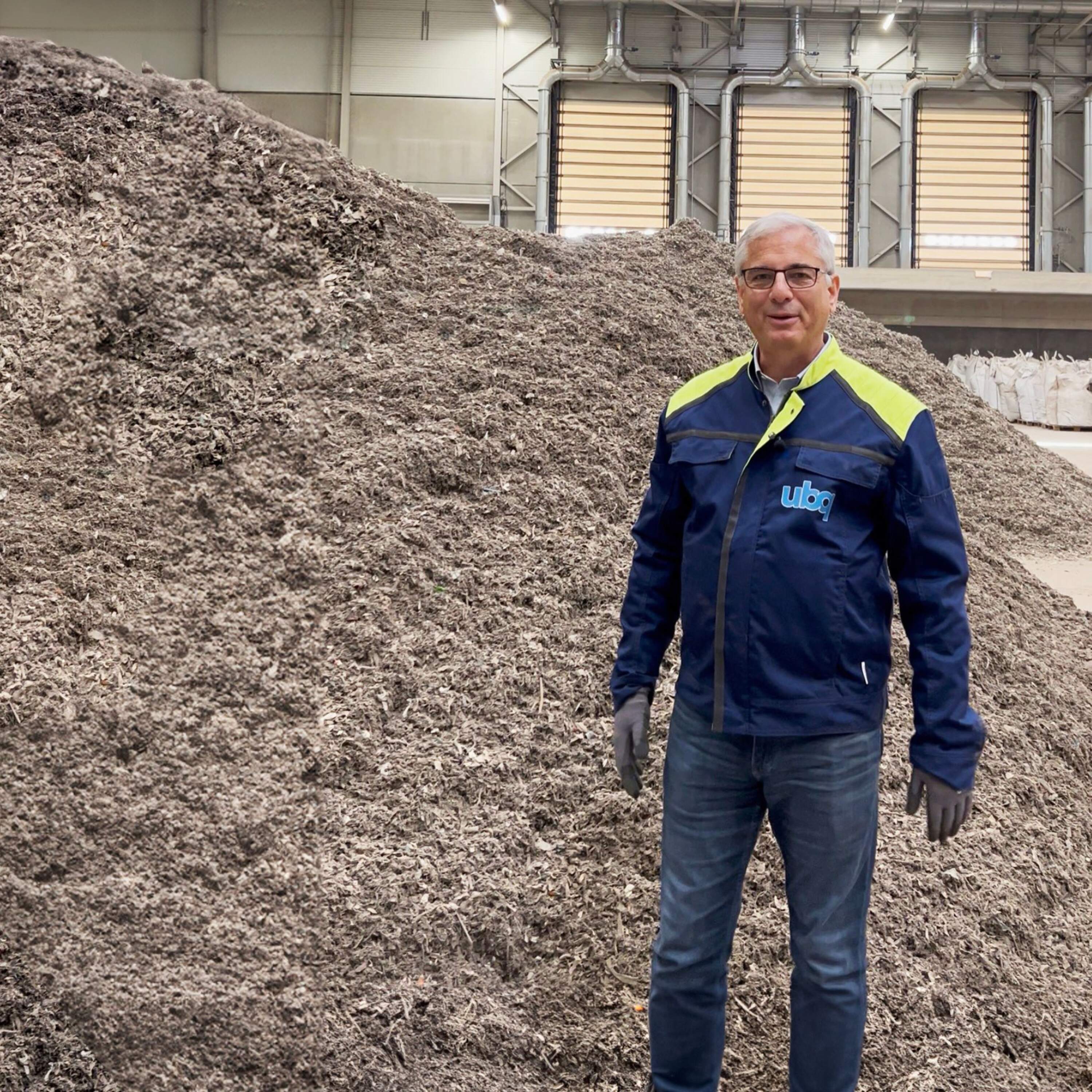
The escalating conflict between the U.S., Israel, and Iran has triggered a global supply shock, driving up the costs of essential fossil fuel inputs like diesel, natural gas, and oil. Truckers face immediate pressure from rising diesel prices, which reached $4.86 a gallon, forcing logistics companies to restrict refueling locations to manage overhead. In the agricultural sector, Iowa corn farmer Mark Mueller highlights how surging natural gas prices have made nitrogen fertilizer—his largest expense—prohibitively expensive, potentially forcing a shift to soybean production or early retirement. Conversely, the crisis accelerates economic substitution, as seen with UBQ Materials CEO Albert Dua, whose company produces a plastic alternative from household waste. While these high oil prices make sustainable, non-petroleum materials more cost-competitive, the broader economy remains vulnerable to bankruptcy and structural shifts if high energy costs persist.
Sign in to continue reading, translating and more.
Continue