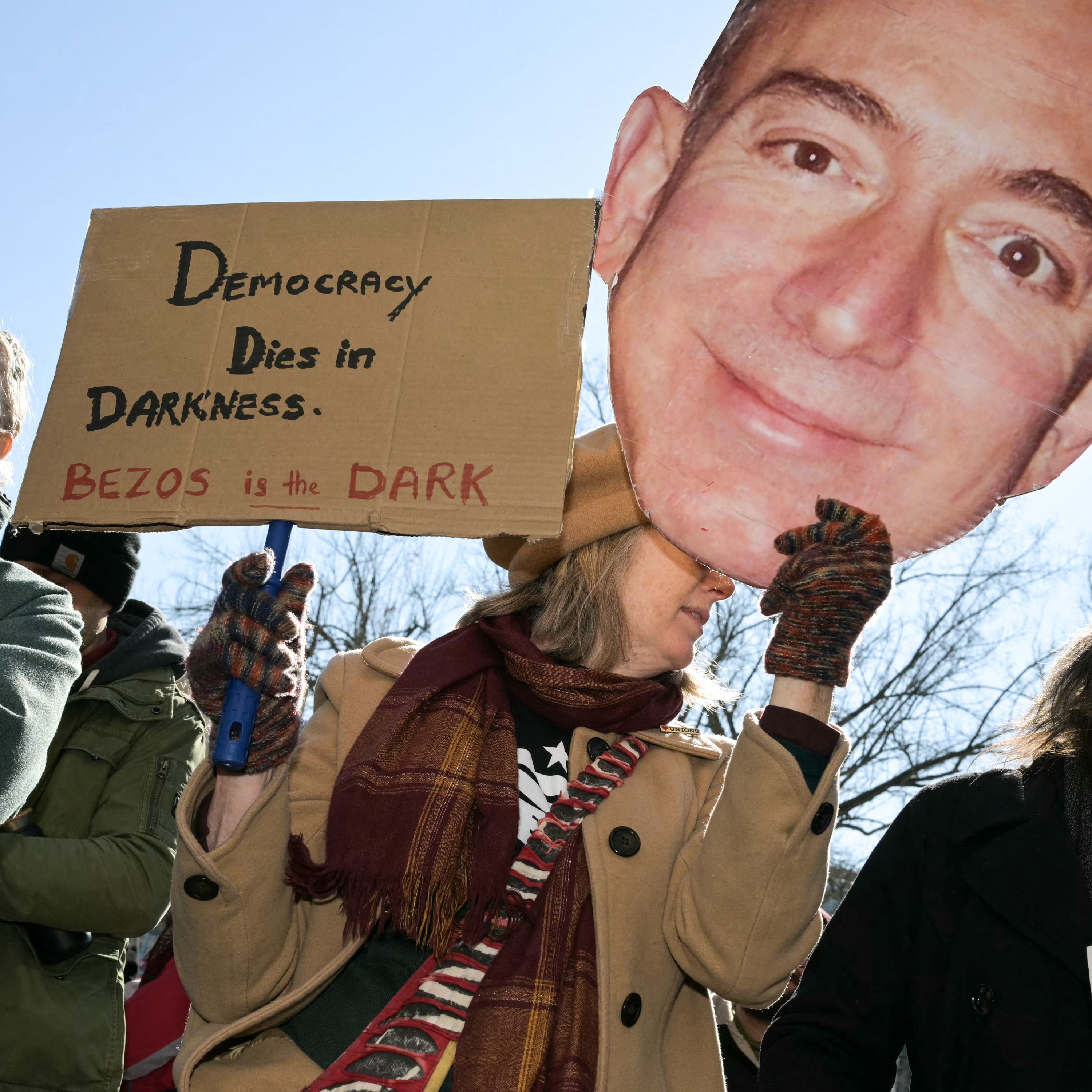
The American media landscape's vulnerability to political and commercial capture is examined, arguing that the industry's foundations have been weakened over decades. Victor Picard, a professor of media policy, outlines three layers of capture: capitalistic, oligarchical, and authoritarian, tracing back to the late 1800s when newspapers became advertising-dependent, which shifted their focus from engaged citizens to consumers. This consolidation worsened with the 1996 Telecommunications Act, exemplified by Clear Channel's homogenized radio content and the Washington Post's gutting under Jeff Bezos, who may use the paper to further his broader political and economic goals. The conversation explores how underfunded American public media is compared to other democracies, and how this impacts the health of American democracy.
Sign in to continue reading, translating and more.
Continue