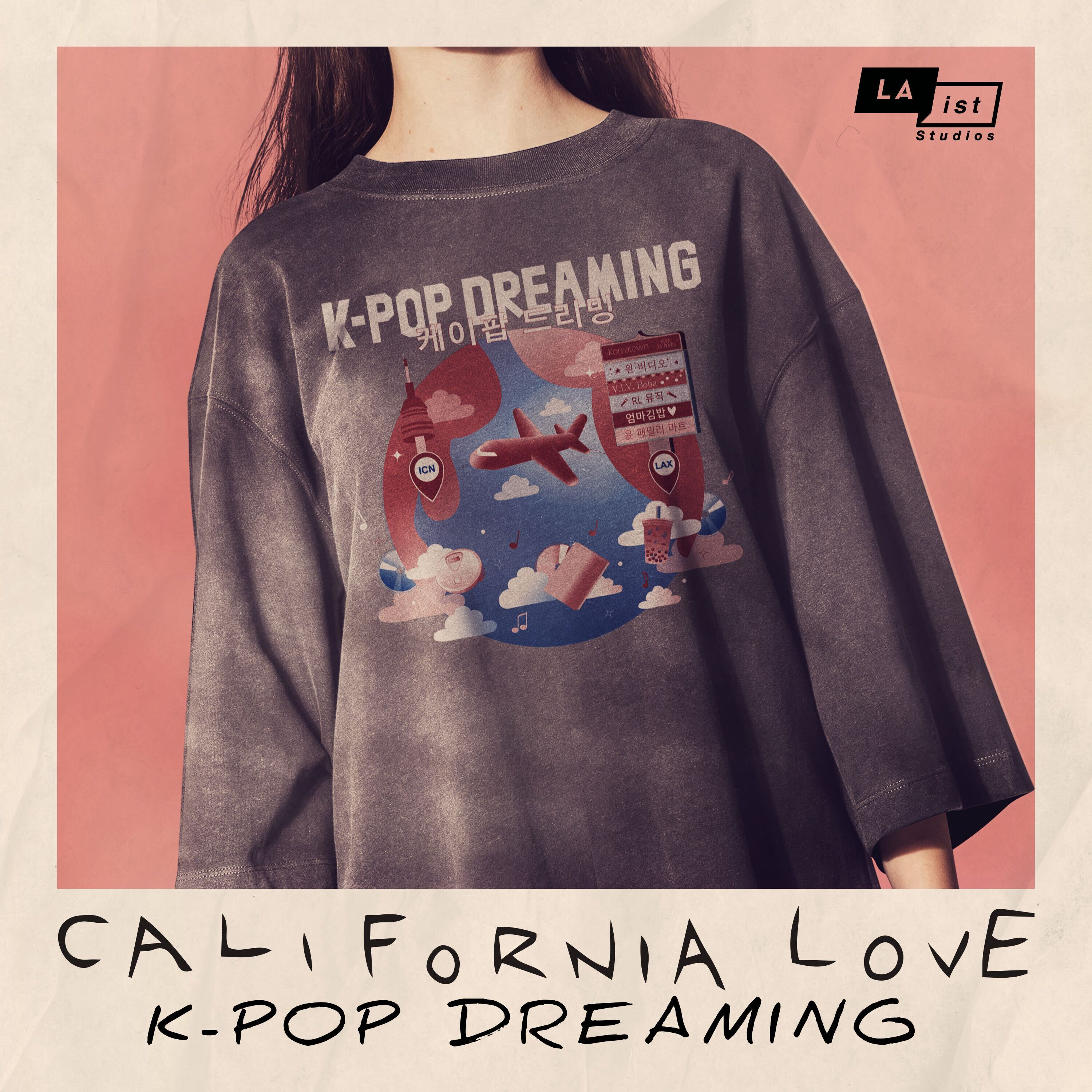
K-Pop’s evolution from a niche, localized interest to a global cultural phenomenon serves as a lens for examining the complexities of the Korean-American immigrant experience. Growing up in Los Angeles, many Korean-American youths felt compelled to suppress their affinity for K-Pop to maintain a carefully curated "American" identity, often internalizing shame despite the lack of external pressure. This cultural tension highlights a broader shift in how Korean heritage is perceived and valued in the United States, moving from a hidden, private interest to a mainstream force represented by acts like BTS. By reconciling personal history with the genre's rise, this narrative reveals how pop culture functions as a bridge between generations and a tool for navigating identity, ultimately validating the long-standing, secret appreciation for Korean music that once felt incompatible with an American upbringing.
Sign in to continue reading, translating and more.
Continue