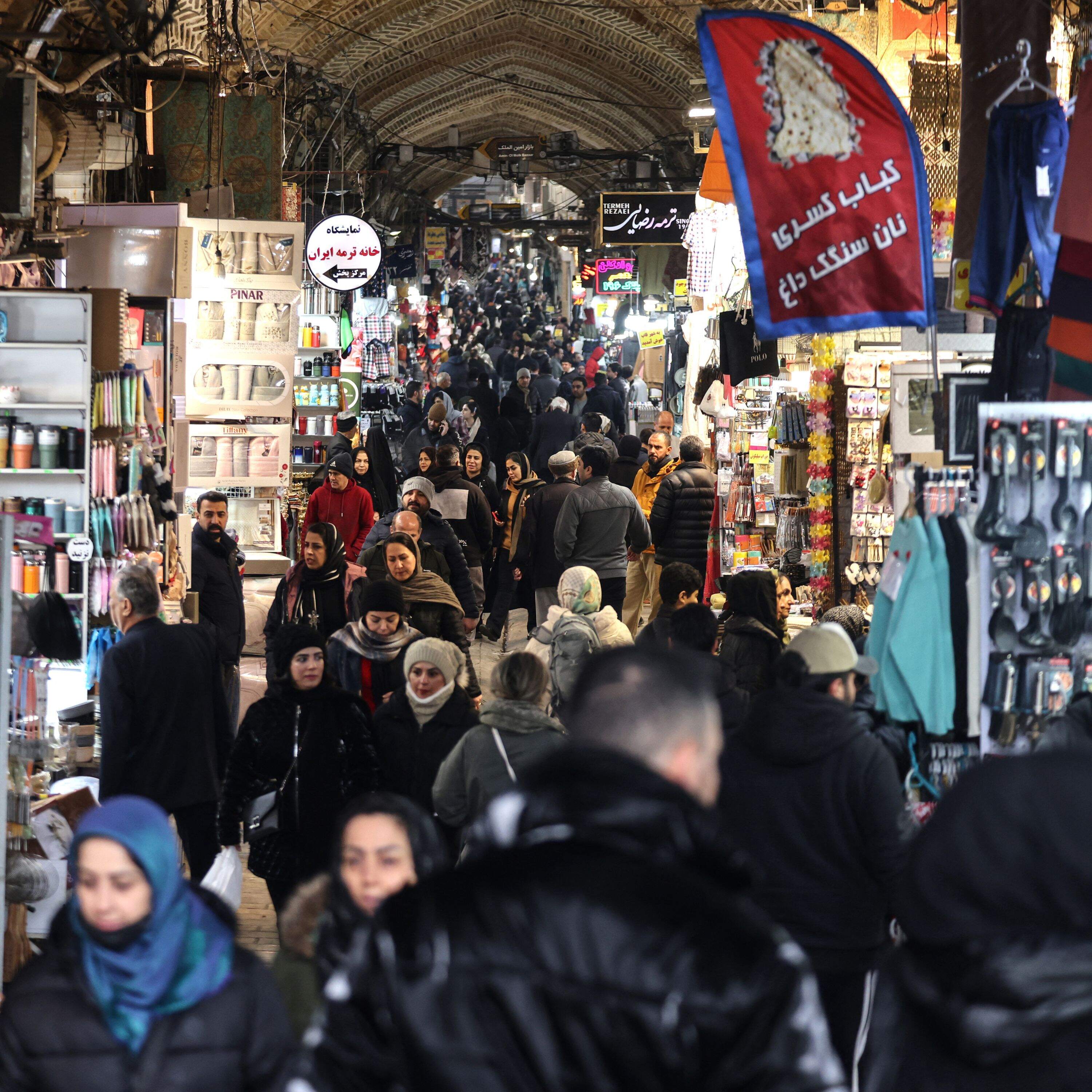
Iran’s recent countrywide protests, though sparked by a 50% inflation rate and a collapsing currency, stem from decades of economic mismanagement and environmental crises. Small business owners in Tehran’s Grand Bazaar, historically a pillar of the regime, initiated the demonstrations by closing shops to protest the soaring costs of imported goods and diminished consumer purchasing power. These economic grievances are compounded by a severe multi-year drought and a legacy of excessive dam building, which has led to critical water shortages and power cuts. While U.S. sanctions on oil sales have intensified the recession, internal issues like systemic corruption, the rise of monopolistic oligarchs, and widening inequality have created a volatile environment. Despite a violent government crackdown that resulted in thousands of casualties, the underlying "bone dry tinder" of social and economic discontent remains unaddressed, leaving the population pessimistic about short-term reform.
Sign in to continue reading, translating and more.
Continue