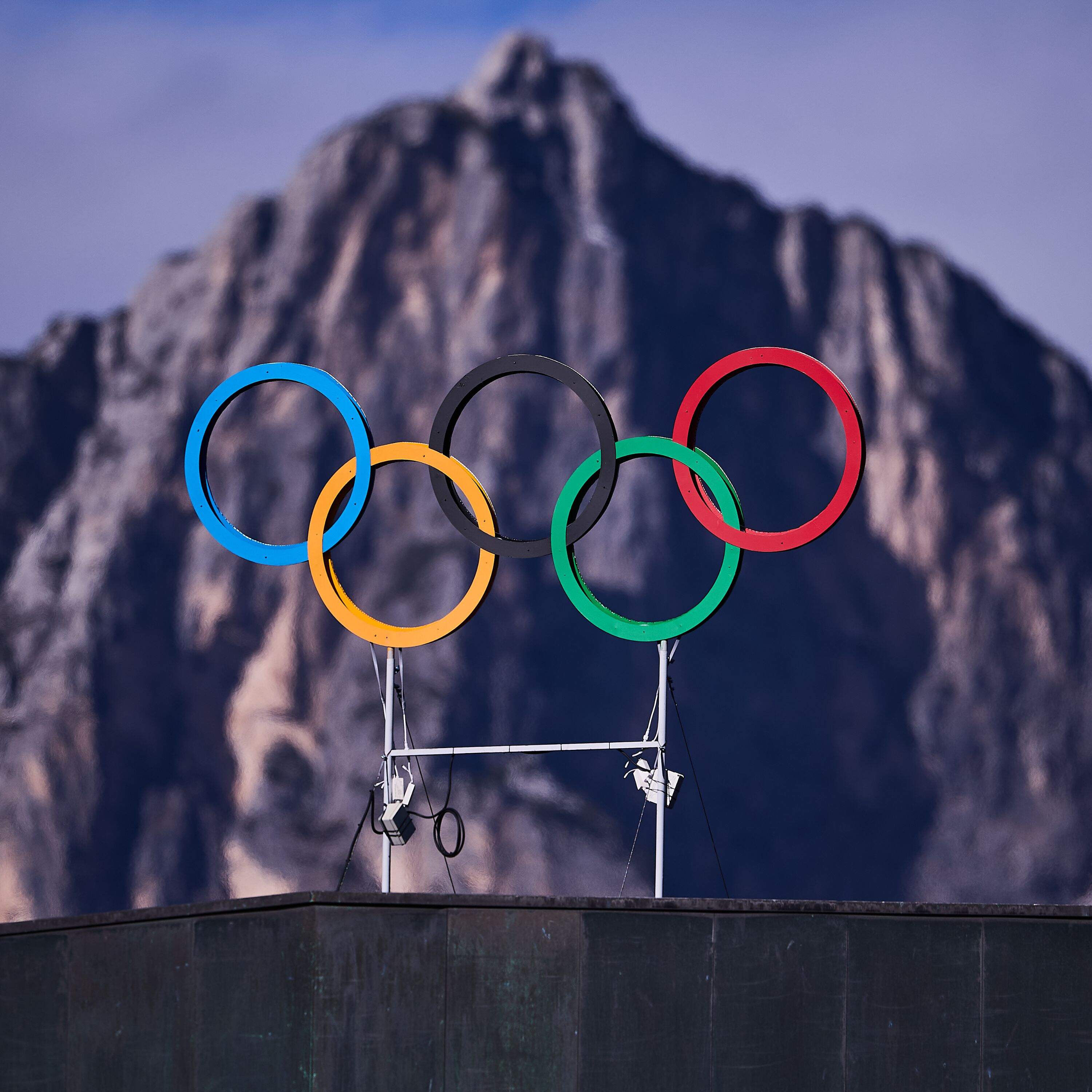
The United States Olympic development system faces a funding crisis as its unconventional reliance on college football revenue reaches a breaking point. Unlike most nations that provide direct government subsidies, the U.S. established a private, free-enterprise model during the Cold War to contrast with Soviet state-sponsored athletics. This approach inadvertently turned profitable Division I football programs into the primary financiers for niche Olympic sports through the NCAA. However, recent legal shifts allowing college athletes to receive direct payments and license their name, image, and likeness are diverting funds away from Olympic pipelines. Sports historian Victoria Jackson and law professor Dionne Kohler note that this strain leaves many Olympians earning less than $15,000 annually, often forcing a reliance on personal wealth. Potential solutions include utilizing federal sports betting taxes or providing government-backed healthcare to ensure the athletic movement remains accessible beyond the upper class.
Sign in to continue reading, translating and more.
Continue