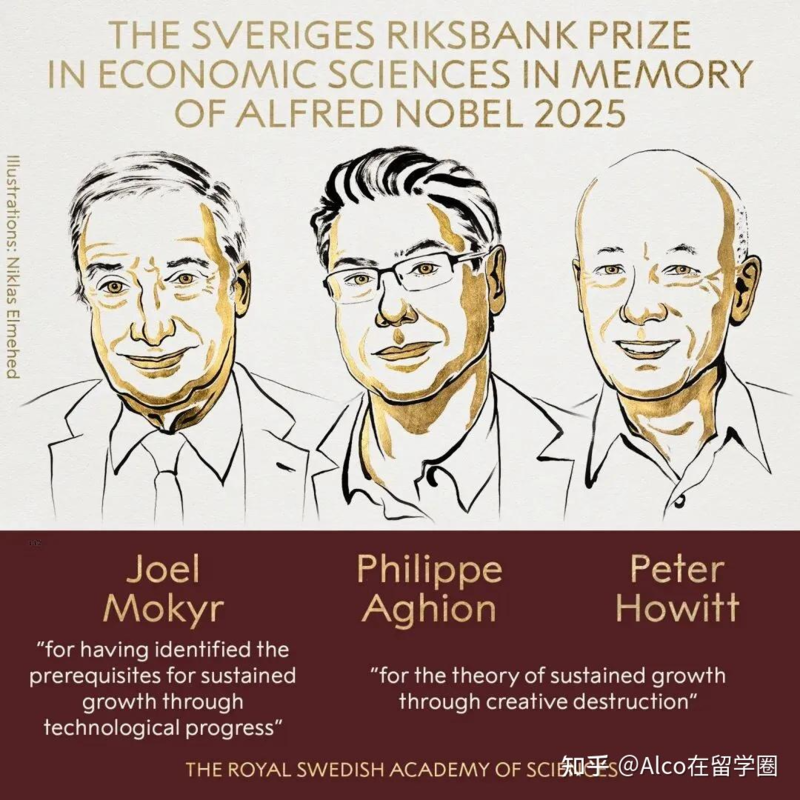
Innovation-driven economic growth relies on a complex ecosystem where scientific knowledge and technical application form a self-reinforcing loop, rather than simple linear progress. Historical analysis of the Industrial Revolution and the development of railways in Britain, Ireland, and late-Qing China demonstrates that sustainable growth requires a supportive cultural and institutional environment that encourages experimentation and tolerates creative destruction. Current economic models, such as the inverted U-shaped relationship between competition and innovation, highlight that optimal growth occurs when competition is balanced—intense enough to drive progress but not so extreme that it discourages investment. Amidst the rapid advancement of AI, human value shifts from mere tool-based utility to the capacity for original exploration, strategic selection, and the management of creative processes, emphasizing that the future is shaped by human agency and the ability to solve evolving societal contradictions.
Sign in to continue reading, translating and more.
Continue