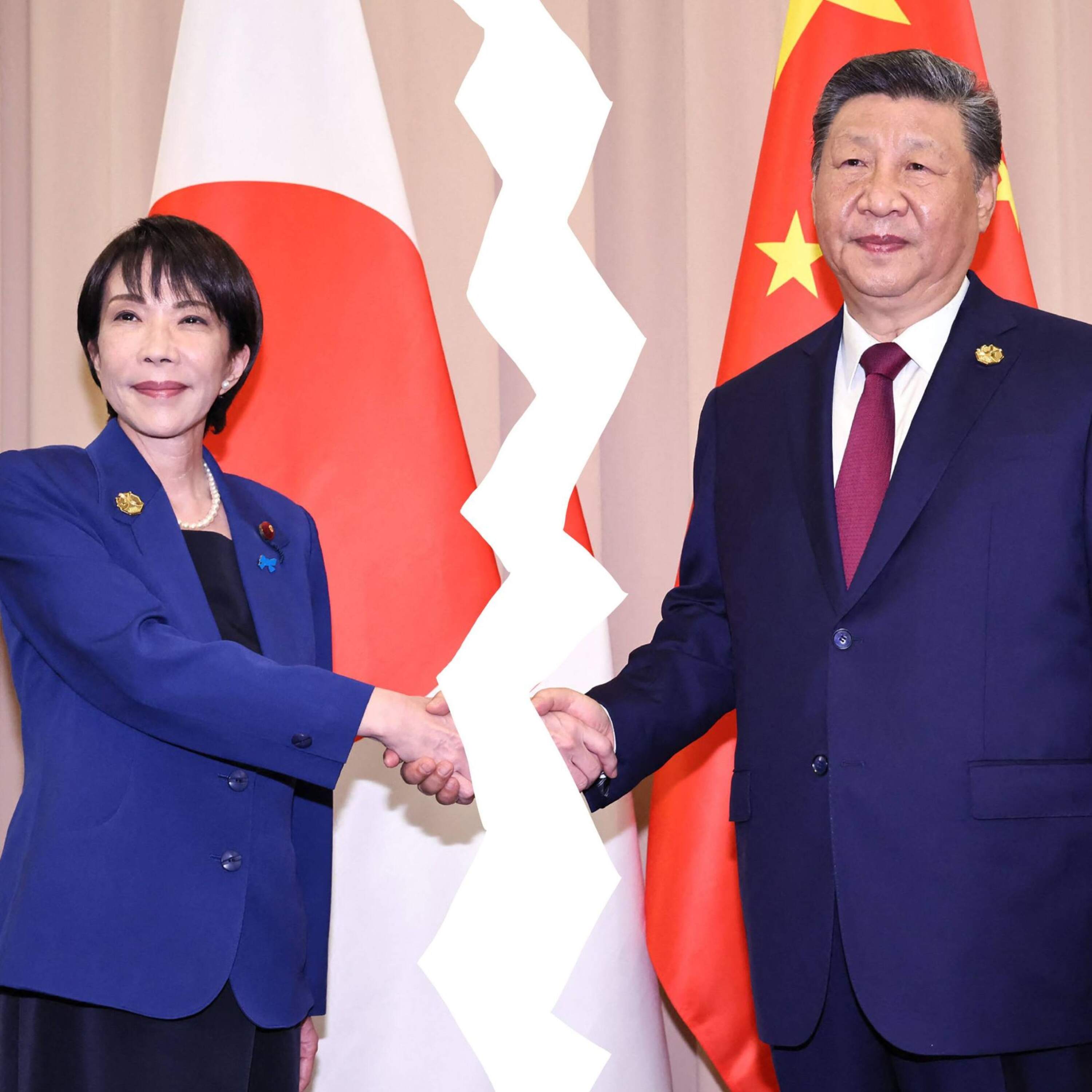
China is leveraging its massive consumer market to conduct state-organized boycotts against Japan following diplomatic friction over Taiwan. While traditional boycotts are bottom-up movements, Beijing utilizes "plausible deniability" by framing these restrictions as organic public outrage, effectively blurring the line between community action and state sanctions. Recent retaliatory measures include the abrupt cancellation of Japanese jazz concerts in Shanghai, bans on seafood imports, and the suspension of group tours. Experts like Jeremy Wallace from Johns Hopkins University suggest this economic statecraft serves as a political signaling mechanism, allowing the state to vent frustration and pressure foreign governments without escalating to military conflict. However, these tactics carry domestic costs, as seen in the 2016 THAAD crisis with South Korea, where prolonged economic pressure failed to change policy while damaging local investment confidence and harming Chinese businesses that rely on international cultural exchange.
Sign in to continue reading, translating and more.
Continue