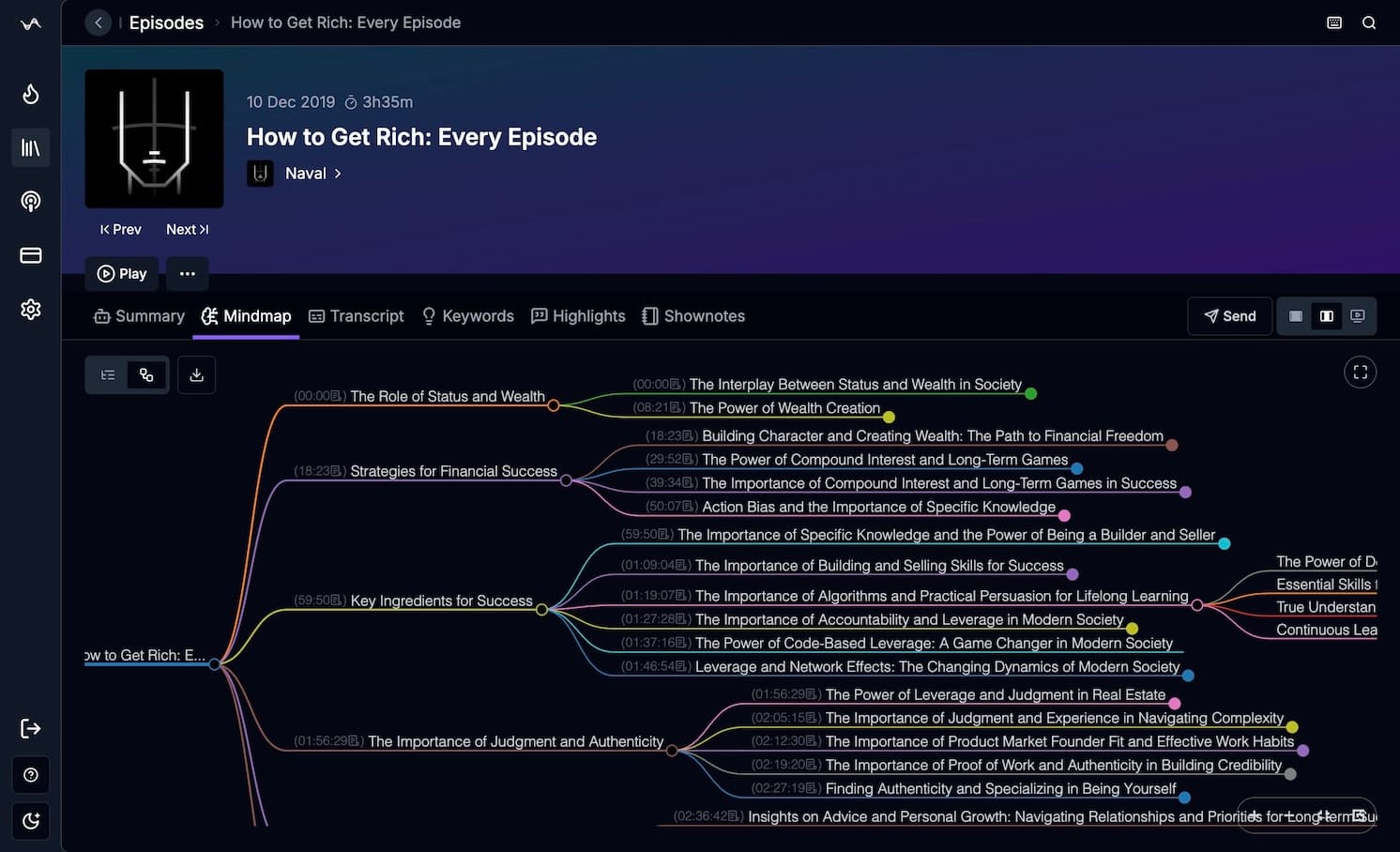
In this lecture, the speaker explores the Curry-Howard correspondence, explaining how logic and type systems are related through inference rules. The lecture begins by tracing the origins of formal logic back to early 20th-century mathematics and the need for precise methods of reasoning. It introduces Gerhard Gensen's natural deduction as a way to create proofs that mimic human reasoning. The discussion covers propositional logic, judgments, and inference rules, including conjunction, implication, and disjunction. The lecture then transitions to the typed lambda calculus, illustrating its data structures and typing rules. The Curry-Howard correspondence is presented as a connection between logical constructs and functional programming concepts, such as formulas as types, proofs as programs, and logical connectives as programming language types. The lecture further discusses operational semantics, reduction rules, and type safety, linking program evaluation to proof normalization in logic.
Sign in to continue reading, translating and more.
Continue