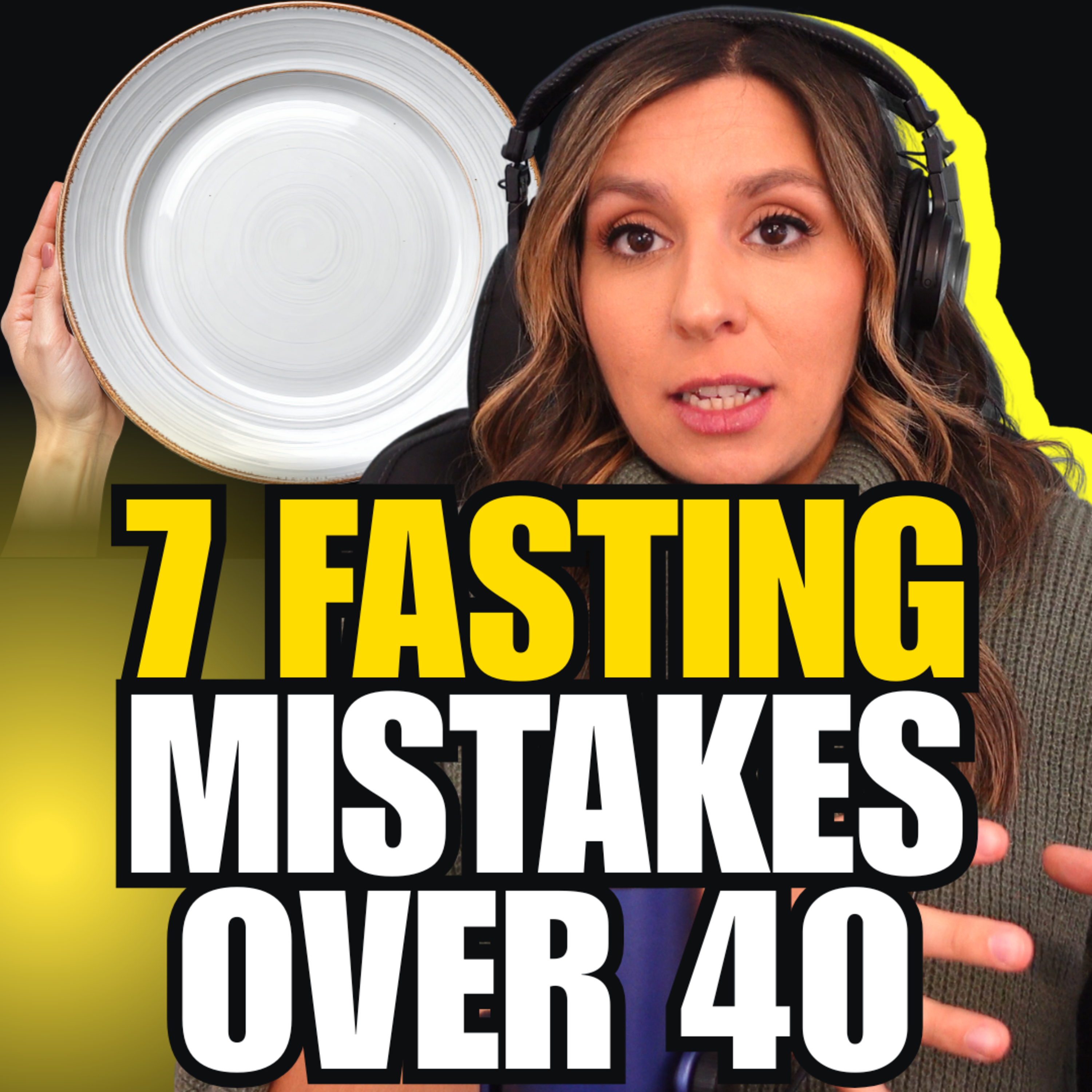
Fasting for Fat Loss: The 7 Biggest Mistakes Women Make | MMP Ep. 249

The Metabolism and Menopause Podcast
Fasting often acts as a physiological stressor that can exacerbate weight loss resistance and hormonal imbalances in women, particularly during perimenopause and menopause. Many women mistakenly use fasting as a simple calorie-restriction tool, which inadvertently triggers a stress response that overflows the body’s "stress bucket," leading to elevated cortisol, suppressed thyroid function, and muscle loss. A 2021 meta-analysis confirms that low energy availability in females downregulates metabolic processes and impairs reproductive health, unlike in males who are generally more resilient to such stressors. Furthermore, restricted eating windows often result in critical nutrient deficiencies—such as insufficient calcium, magnesium, and protein—which further hinder fat-burning pathways and sleep quality. Instead of relying on fasting as a universal solution, success requires addressing root causes like inflammation, blood sugar stability, and adequate protein intake to support metabolic health and hormonal balance.
Sign in to continue reading, translating and more.
Continue