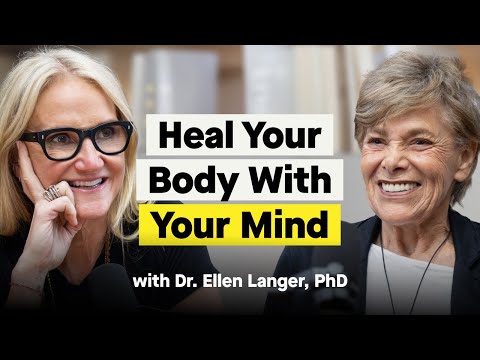
Mind-body unity serves as the foundational principle for human health and well-being, challenging the conventional dualistic view that separates the mind from physical processes. Harvard psychologist Dr. Ellen Langer argues that most human problems stem from pervasive mindlessness—a state of operating on rigid, unexamined assumptions. By cultivating mindfulness, defined as the active noticing of new things and an appreciation for uncertainty, individuals can exert significant control over their physical health. Research involving elderly subjects who reversed markers of aging and housekeepers who improved physiological health through a shift in perspective demonstrates that thoughts directly influence biological outcomes. Adopting a mindset that rejects absolute limitations and views challenges as opportunities for engagement allows for a personal renaissance, enabling individuals to move beyond the constraints of unlived lives and harness the power of their own consciousness.
Sign in to continue reading, translating and more.
Continue