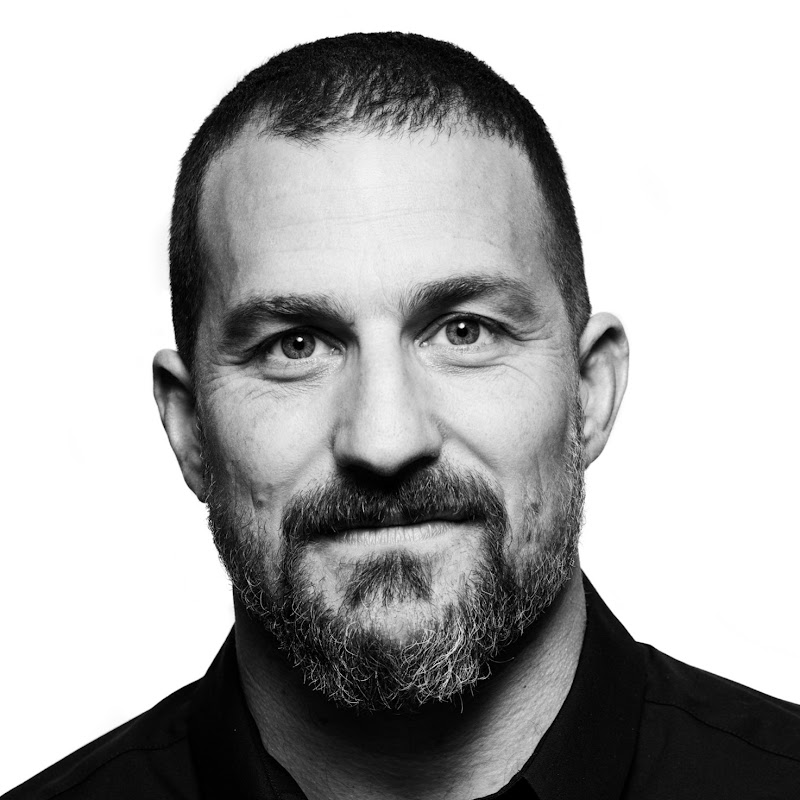
In this episode of Huberman Lab Essentials, Andrew Huberman discusses the science of gratitude and its impact on mental and physical health. He highlights that an effective gratitude practice is not about listing things to be grateful for, but rather about receiving gratitude or observing others receiving it. Huberman explains the neurochemistry and neural circuits involved, emphasizing the role of serotonin and the activation of the prefrontal cortex. He suggests building a gratitude practice around powerful narratives or stories of others receiving help, which can shift neural circuits, reduce anxiety, increase motivation, and improve overall well-being by reducing inflammatory cytokines. The key is to focus on genuine experiences and repeat the practice regularly to achieve long-lasting positive effects.
Sign in to continue reading, translating and more.
Continue


