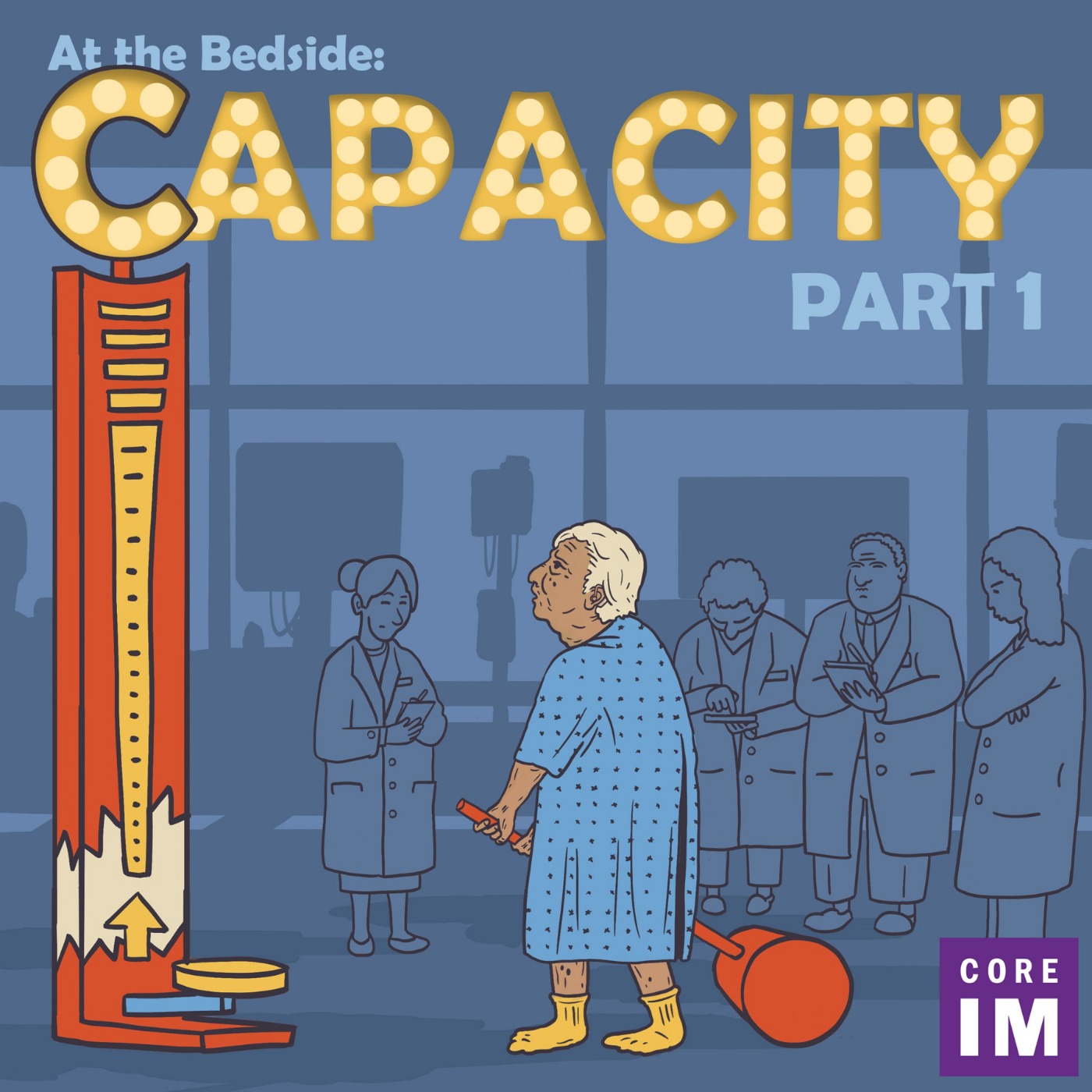
The podcast episode delves into the critical elements of capacity assessment in medical decision-making, emphasizing that capacity is time and decision-specific. It highlights the four core components: communicating a choice, understanding relevant information, appreciating the consequences, and rational reasoning. The hosts underscore the importance of removing communication barriers and using plain language to ensure patients comprehend their situation. Dr. Kondracki, double boarded in internal medicine and psychiatry, provides practical examples, including scenarios where patients struggle with demonstrating choice due to delirium or change their minds frequently. The discussion also addresses misconceptions, such as the assumption that patients with dementia or psychiatric diagnoses uniformly lack capacity, and clarifies the distinction between capacity (a clinical opinion) and competency (a legal determination).
Sign in to continue reading, translating and more.
Continue