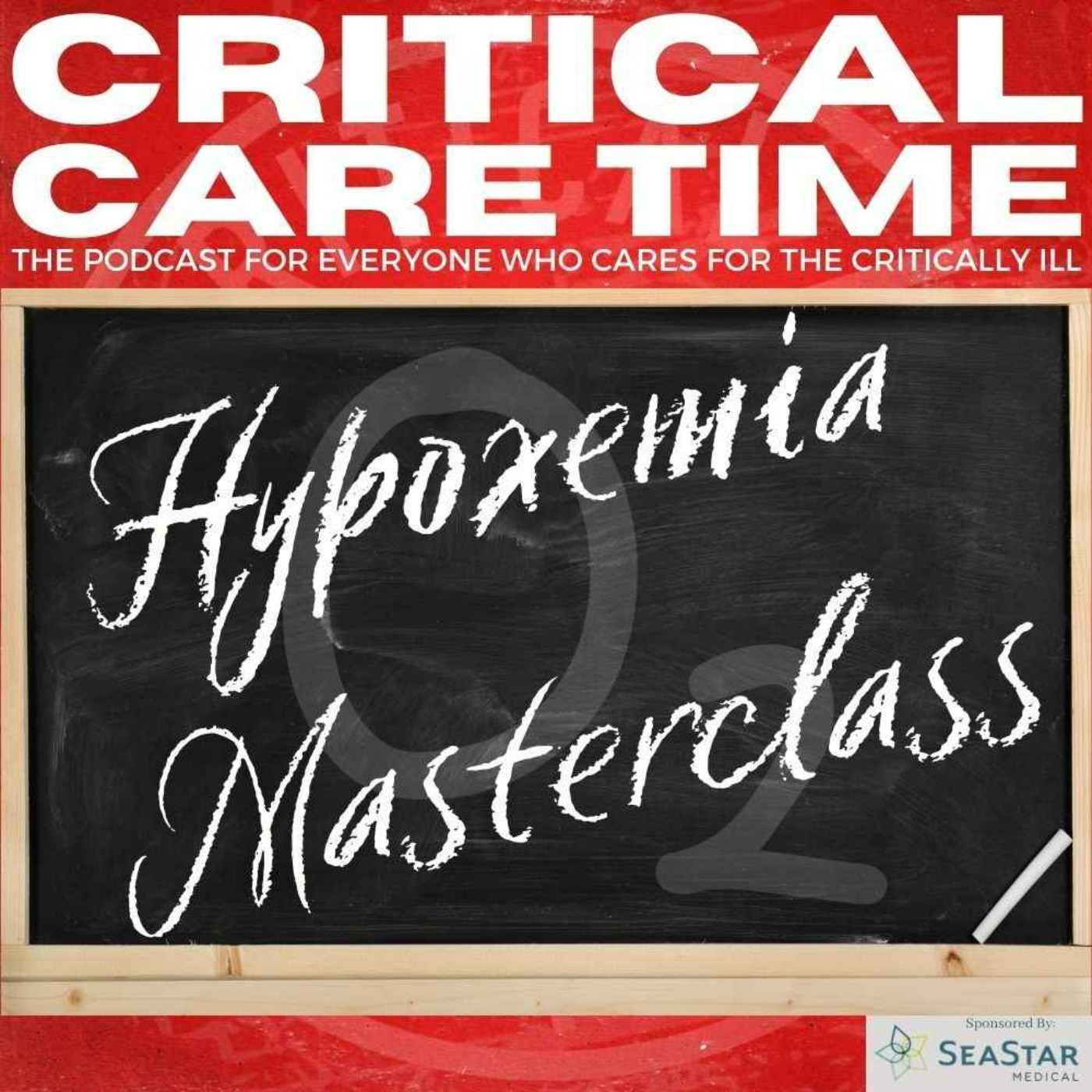
Oxygen delivery and utilization represent the foundational physiological processes in critical care, where the balance between oxygen supply and consumption dictates patient stability. Hypoxemia, defined as low blood oxygen tension, and hypoxia, characterized by inadequate tissue-level oxygenation, are distinct clinical entities that often require different management strategies. Clinicians must differentiate between six primary causes of hypoxemia—low inspired oxygen, hypoventilation, V/Q mismatch, shunt, diffusion limitation, and low mixed venous oxygen—to guide interventions effectively. While supplemental oxygen corrects many forms of hypoxemia, shunt physiology remains resistant, necessitating targeted therapies like inotropes or temperature control. Understanding these mechanisms, alongside the role of the alveolar-arterial gradient, allows for precise diagnostic reasoning and optimized management of critically ill patients suffering from respiratory and circulatory failure.
Sign in to continue reading, translating and more.
Continue