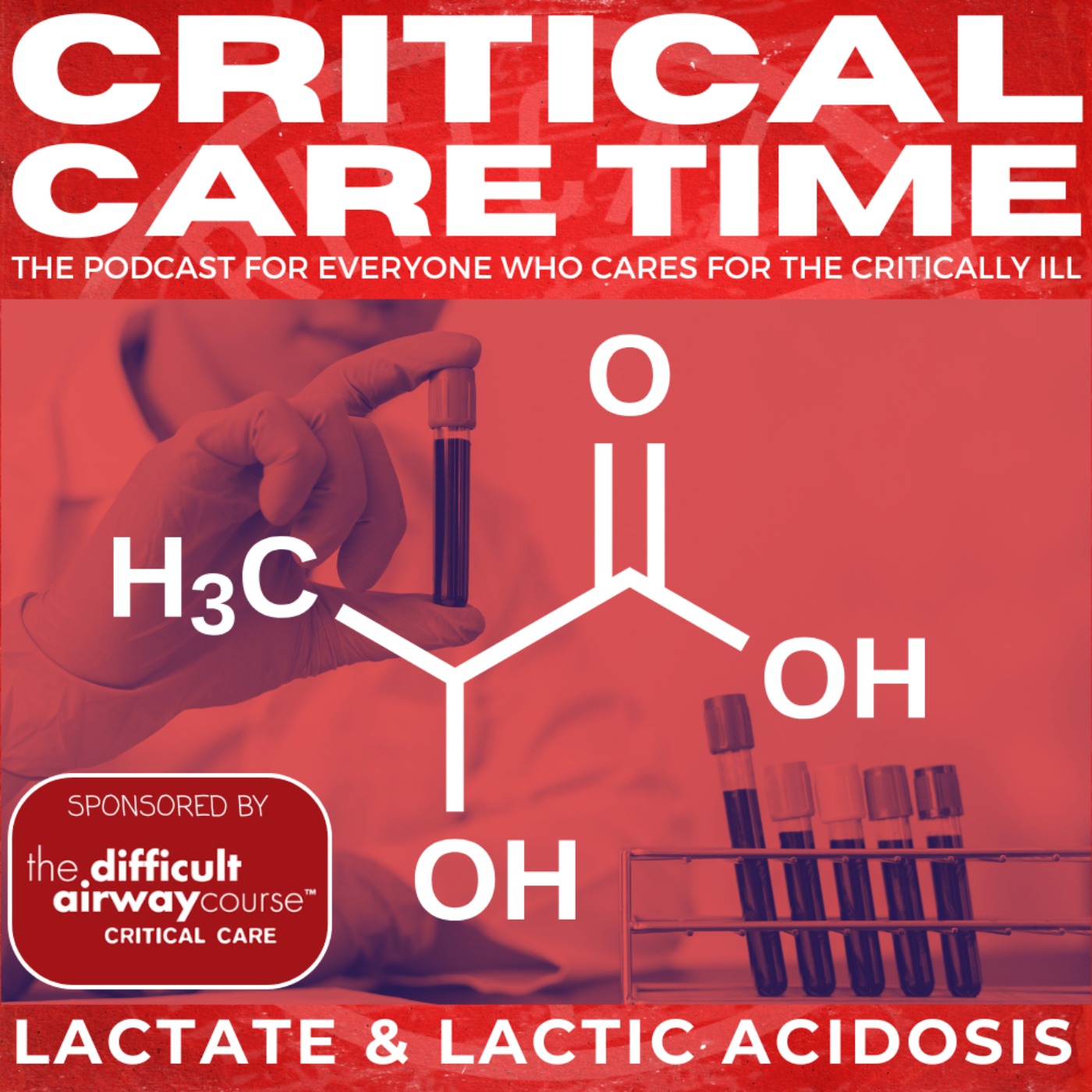
This episode of Critical Care Time aims to demystify lactate and lactic acidosis, differentiating between their causes and clinical relevance. The hosts explain that lactate, a breakdown product of glucose metabolism, isn't inherently bad but signals underlying issues when elevated. They clarify the distinction between lactic acid (which lowers pH) and lactate (a conjugate base), cautioning against knee-jerk fluid administration for elevated lactate levels. The discussion covers Type A lactic acidosis (impaired oxygen delivery or consumption), Type B (metabolic dysfunction from drugs, liver/kidney failure, or deficiencies), and the rare Type D (bacterial overgrowth). They emphasize that lactate serves as a "check engine light," urging clinicians to investigate the root cause rather than reflexively administering fluids, and to consider factors beyond perfusion, such as impaired clearance or medication side effects.
Sign in to continue reading, translating and more.
Continue