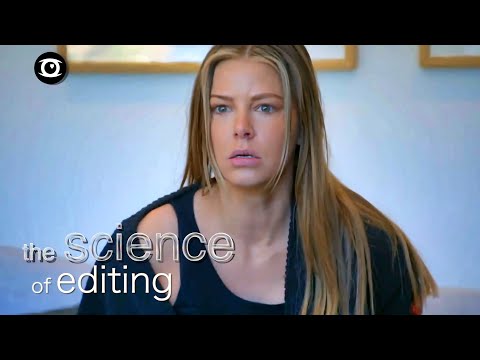
This episode explores the nuanced differences between documentary and reality TV filmmaking, specifically from an editor's perspective. The discussion begins by contrasting the authenticity of real people versus actors in unscripted scenarios, highlighting the challenges of eliciting genuine behavior. More significantly, the conversation delves into the role of "activation," where producers subtly influence events and participant motivations, and the crucial role of editing in shaping the narrative. For instance, the technique of "Frankenbiting," where snippets of interviews are combined to create new sentences, is discussed as a method used in reality TV to manipulate storylines, a practice absent in ethical documentary filmmaking. Against this backdrop, the ethical considerations of manipulating reality for entertainment versus crafting a truthful documentary are debated, with the hosts acknowledging the inherent subjectivity in both forms of media. Ultimately, the episode concludes by emphasizing that while both genres utilize editing to construct narratives, reality TV operates under an unspoken agreement with the audience that "reality is not reality," while documentaries, despite their claims to objectivity, still reflect the filmmaker's perspective.
Sign in to continue reading, translating and more.
Continue