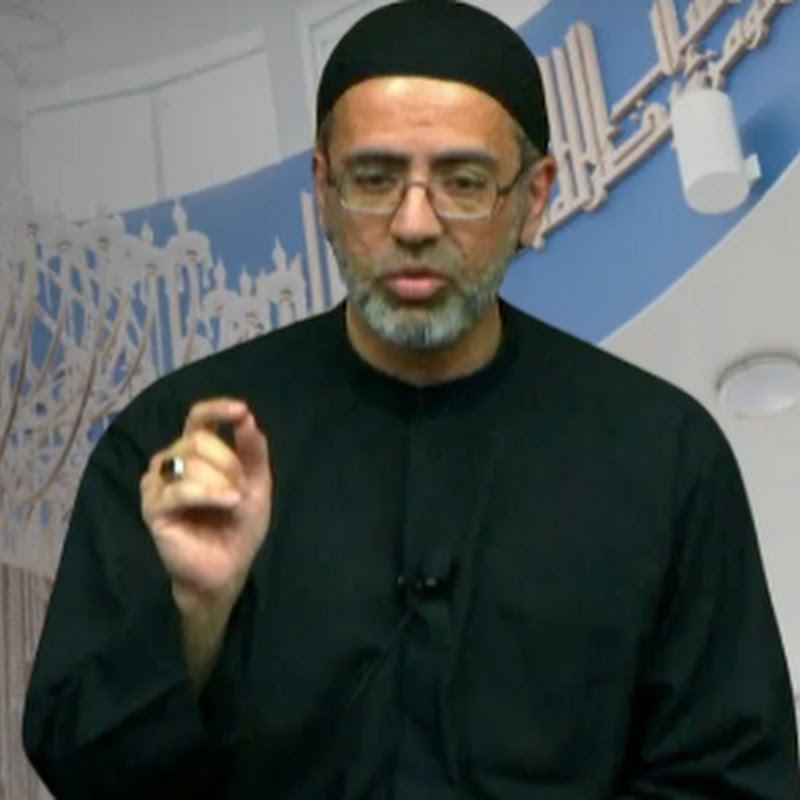
In this monologue, Khalil Jaffer discusses Aalamul Barzakh, which he defines as the intermediate world in Islam, distinct from the Christian concept of purgatory. He explains that while science may deny the survival of consciousness after death, Islam affirms the existence of the soul, or ruh, which moves to Aalamul Barzakh. He details the meaning of "Barzakh" as a barrier in the Quran, referencing verses where it appears. Jaffer outlines five key areas of discussion: understanding Barzakh, its necessity, proof of its existence in the Quran, traditions (Ahadith and Riwayat) about it, and how to prepare for it. He addresses varying Muslim beliefs about the afterlife, emphasizing the Shia view that experiences after death happen to the soul, not the physical body, and that the soul retains traits from its earthly life. He also touches on the resemblance of the soul to the physical form and the concept of Qabr al-Fiqh versus Qabr al-Kalami. Jaffer compares Aalamul Barzakh to a dream-like state, noting both similarities and crucial differences, particularly the increased consciousness in Barzakh. He stresses the importance of understanding Aalamul Barzakh to strengthen faith, prepare for the afterlife, and avoid being among those who deny it, referencing hadith where Imam Jaffer As-Sadiq states that denying the questioning in the grave means one is not Shia. He concludes by emphasizing the need to prepare for this inevitable journey, as Imam As-Sadiq stated his fear for his Shia regarding Barzakh, and that the grave is either a garden from paradise or a pit from hell. He ends by lamenting the tragedy that befell the family of the Prophet Muhammad (PBUH) after the martyrdom of Imam Hussain (A.S.).
Sign in to continue reading, translating and more.
Continue