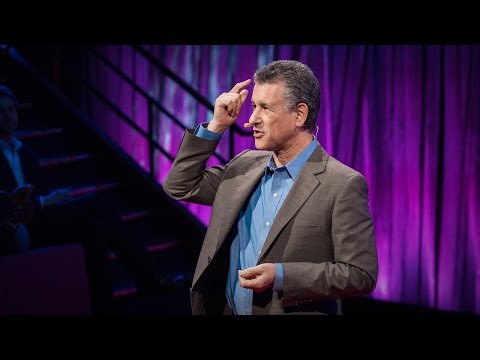
Human cognitive function under stress is inherently flawed due to the release of cortisol, which clouds judgment and impairs rational decision-making. To mitigate the risks of these predictable lapses, implementing a "pre-mortem"—a strategy of prospective hindsight—allows individuals to identify potential failures and establish preventative systems before crises occur. Simple environmental modifications, such as designating fixed locations for essential items, leverage the brain's spatial memory to prevent common losses. In high-stakes scenarios like medical decision-making, patients should proactively request the "number needed to treat" (NNT) to weigh the statistical likelihood of benefit against the probability of adverse side effects. By acknowledging personal fallibility and preparing for worst-case scenarios in advance, individuals can minimize the impact of inevitable mistakes and make more informed, rational choices when under pressure.
Sign in to continue reading, translating and more.
Continue